Mental Health & Mindfulness
Resources for mental wellbeing, stress management, and mindfulness practices.

Viewing Catastrophes as Opportunities for Growth Linked to Reduced Depression and Inflammation
A groundbreaking study from Stanford reveals that reframing traumatic experiences as growth opportunities can lower depression and inflammation, promoting resilience and better health outcomes.

Unlocking the Mental Health Benefits of Gardening: How Digging in the Dirt Supports Well-Being
Discover how gardening supports mental health by reducing stress, enhancing mood, and fostering overall well-being through active engagement with nature and soil microbes.

Inconsistencies in AI Chatbots’ Responses to Suicide-Related Questions Raise Concerns
A recent study reveals that popular AI chatbots exhibit inconsistent responses when answering suicide-related questions, highlighting the need for safer and more reliable mental health support tools.
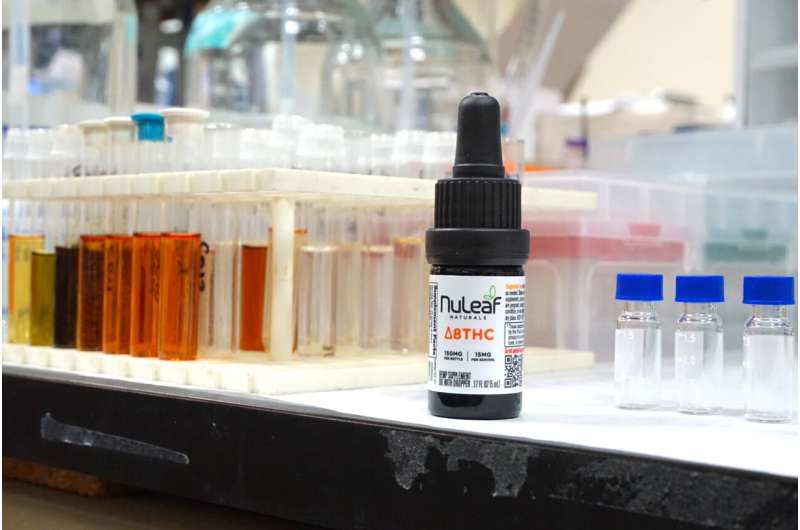
High THC Levels Linked to Increased Risk of Schizophrenia and Psychosis
High concentrations of THC in cannabis are associated with increased risks of schizophrenia, psychosis, and substance use disorders, highlighting the need for cautious consumption and further research.

Having a Sense of Purpose May Protect Against Dementia
A sense of purpose in life may significantly reduce the risk of developing dementia and aid in healthy aging, according to recent UC Davis research. Discover how meaningful activities can boost brain resilience.

Neural Activity and Its Role in Self-Preoccupied Thinking
Discover how specific neural activity patterns are linked to self-focused thoughts and their implications for mental health, including depression and anxiety. This research highlights potential neural markers for maladaptive self-preoccupation and future interventions.

Innovative Wearable Sweat Sensor Detects Stress Responses in Real-Time
A groundbreaking wearable biosensor called Stressomic can continuously monitor multiple stress hormones through sweat, enabling better stress management and health monitoring in real-time.

The Impact of Shame on Quality of Life in Chronic Gastrointestinal Disorders
Feelings of shame significantly impact the quality of life in individuals with chronic gastrointestinal disorders, highlighting the importance of compassionate healthcare approaches.

Impulsive Traits and Personalized Interventions for Harmful Alcohol Use
Recent research reveals that different impulsive personality traits significantly influence high-risk alcohol use. Personalized interventions based on these profiles can improve prevention and treatment strategies for alcohol-related issues.

Rising Trend of Firearm Suicides Among Older Women Raises Concerns
A new study reveals a concerning rise in firearm suicides among older women, highlighting the need for targeted mental health and firearm safety interventions.