NYC Outbreak of Legionnaires' Disease Traced to Municipal Buildings, Including Harlem Hospital
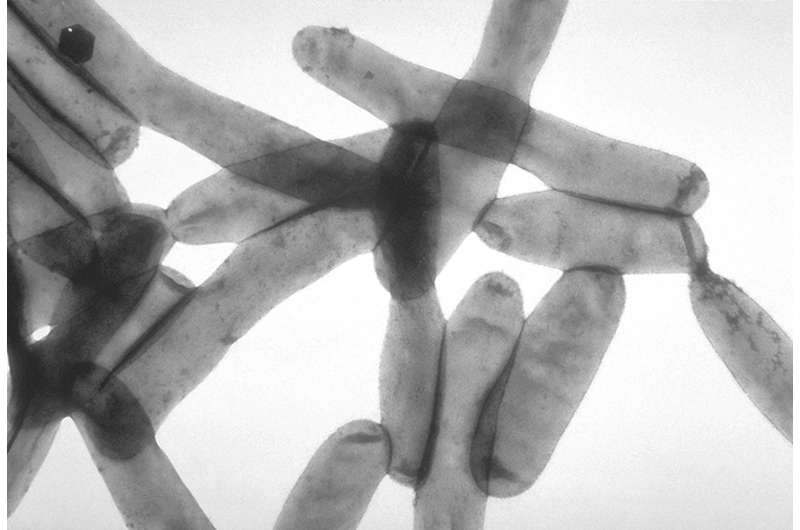
A Legionnaires' disease outbreak in NYC, linked to cooling towers at Harlem Hospital and a nearby construction site, resulted in multiple deaths and dozens of illnesses. Authorities are implementing new safety regulations to prevent future outbreaks.
In August 2025, a serious outbreak of Legionnaires' disease struck New York City, resulting in the deaths of seven individuals and illness in over a hundred others. Health officials have identified specific sources linked to the outbreak, notably two city-managed facilities: Harlem Hospital and a nearby construction site housing the city's public health laboratory. Bacteria samples taken from cooling towers atop these buildings correlated with those found in symptomatic patients, confirming their role as sources of infection.
This outbreak marked a significant health crisis in Harlem, with symptoms developing between two days and two weeks after exposure, including cough, fever, headaches, muscle pain, and shortness of breath. Following intense investigation, the NYC Health Department reported that the outbreak has been contained, with no new cases since August 9, 2025. All affected facilities have completed disinfection procedures.
In response, city officials are considering policy changes to prevent future incidents. Proposed measures include requiring building owners to test for Legionella bacteria every 30 days instead of the current 90-day schedule and increasing penalties for non-compliance with cooling tower regulations. The outbreak has also prompted lawsuits from survivors, demanding stricter regulations and accountability.
Some experts believe that untreated rainwater from recent storms may have contributed to the bacterial growth in cooling towers, highlighting the importance of regular maintenance and regulation enforcement. Legionnaires' disease is caused by Legionella bacteria, which proliferate in warm water and are spread via contaminated mist from cooling systems, fountains, and other sources. Past outbreaks in NYC have been linked to similar sources, prompting regulation changes since 2015 to improve safety standards.
This incident underscores the importance of vigilant maintenance of cooling systems in urban environments to prevent deadly outbreaks of Legionnaires' disease.
Source: https://medicalxpress.com/news/2025-08-nyc-legionnaires-outbreak-linked-city.html
Stay Updated with Mia's Feed
Get the latest health & wellness insights delivered straight to your inbox.
Related Articles

Risks of Underprescribing Opioid Treatments and the Fentanyl Overdose Crisis
Underdosing buprenorphine in opioid use disorder treatment can lead to ongoing cravings and increased overdose risk, especially with the rise of fentanyl. Updated guidelines support higher doses for better outcomes.

Leadership Shake-up at the CDC: Implications and Next Steps
Recent leadership upheavals at the CDC, including the firing of its director and resignations of key officials, threaten to disrupt public health operations and vaccine policies. Experts warn of potential delays and confusion in disease response and prevention efforts.

Frozen Meals from Walmart, Kroger, and Trader Joe's Linked to Listeria Outbreak
A listeria outbreak linked to frozen meals sold at Walmart, Kroger, and Trader Joe's has caused multiple illnesses and fatalities. Authorities are investigating contaminated products across 15 states.

Study Finds Link Between Air Pollution and Increased Risk of Brain Bleeding
New research links high levels of air pollution to an increased risk of brain hemorrhages, emphasizing the importance of environmental health for cerebrovascular disease prevention.