FDA Issues Warning Over Minnesota-Made Infusion Pumps for Regulatory Non-Compliance

The Food and Drug Administration (FDA) has issued a warning concerning infusion pumps manufactured in Minnesota by ICU Medical. The company, which acquired the Twin Cities-based Smiths Medical division in 2022, made significant modifications to their infusion pump designs without obtaining the necessary regulatory approvals. These changes, made after a previous recall linked to device malfunctions, have rendered the devices adulterated and misbranded under FDA standards.
ICU Medical's infusion pumps, including the Medfusion Model 4000 Syringe and the CADD Solis VIP Ambulatory infusion pump, have been in clearance since the early 2010s. However, the company failed to submit premarket notifications for substantial modifications that could impact device safety and effectiveness. The FDA pointed out that these unapproved changes can alter the devices’ performance, especially regarding delivery accuracy and alarm functionality, potentially posing risks such as under- or over-infusion, delayed therapy, or false alarms resulting in adverse health effects.
The devices in question were produced at a facility in the Twin Cities, following ICU’s acquisition of Smiths Medical. The FDA inspection, carried out between July 23 and August 9, 2024, identified the lack of proper regulatory filings. ICU Medical has not yet submitted a 510(k) application for these modifications, which are suspected to influence critical device functions. Moreover, the company’s updated software responds to recall issues but does not include the required FDA declaration of software status, further violating regulations.
ICU Medical has stated that it is working on completing the necessary 510(k) submissions and emphasizes its commitment to patient safety and regulatory compliance. The company reports ongoing investments to bolster quality control at the Minnesota facility.
The FDA cautions that failure to address these violations could lead to enforcement actions such as seizure, injunction, or civil penalties. This situation underscores the importance of strict adherence to device modification regulations to ensure patient safety and device efficacy.
For more information, see the original report: source.
Stay Updated with Mia's Feed
Get the latest health & wellness insights delivered straight to your inbox.
Related Articles
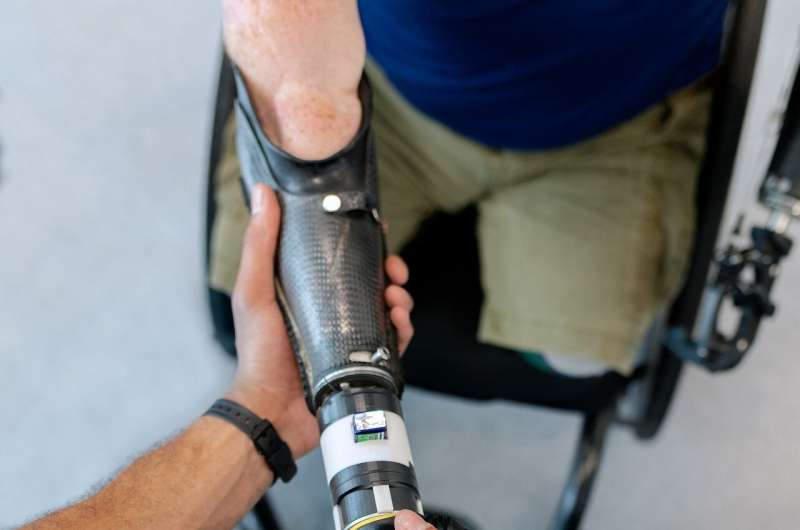
Revolutionizing Healthcare with 3D Printing Technologies
Discover how 3D printing is revolutionizing healthcare by enabling personalized prosthetics, implants, surgical models, and pharmaceuticals tailored to individual patients, improving outcomes and accessibility.
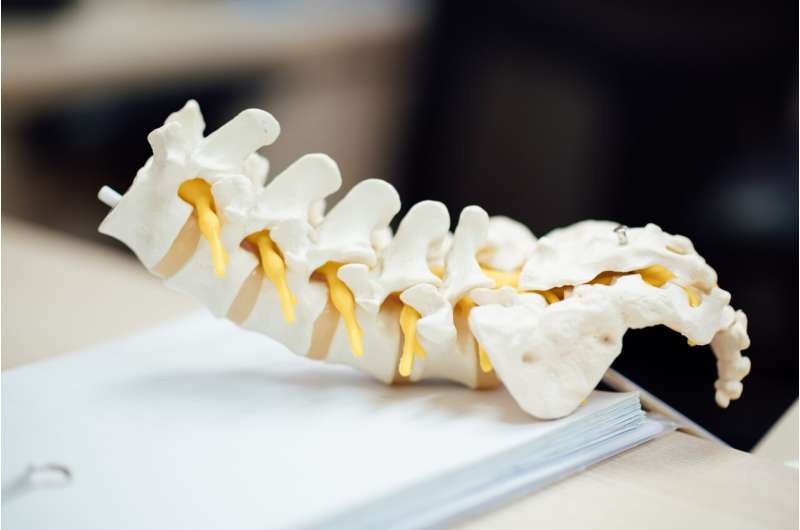
Understanding How Spinal Curves May Cause Pain
Learn how abnormal curvatures of the spine such as hyperkyphosis and scoliosis can lead to pain, breathing issues, and other health complications, and discover the options for management and treatment.
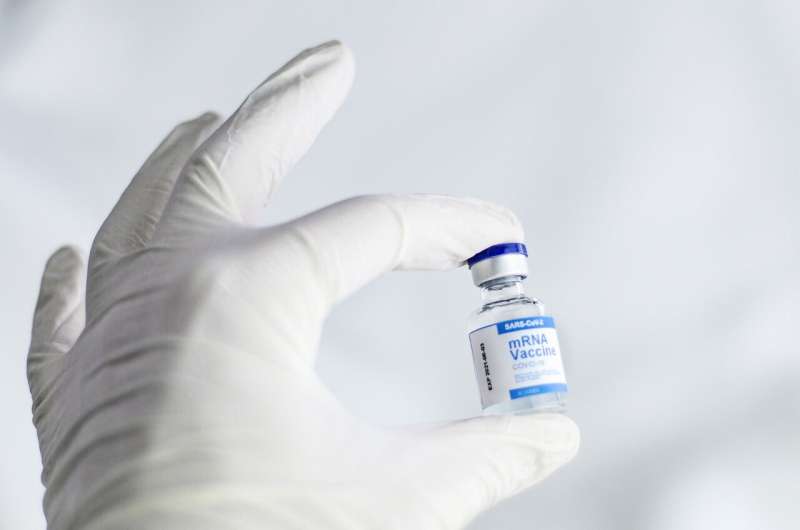
Illinois Moves Away from Federal Guidance in COVID-19 Vaccination Policies
Illinois health authorities are recommending COVID-19 vaccines for all adults and at-risk children, moving away from federal guidelines amid policy shifts. Learn about the state's proactive vaccination strategy.

Genetic Variants Significantly Increase Risk of Leg Blood Clots by 180%
New genetic research has identified variants that increase the risk of leg blood clots by up to 180%, offering insights into personalized prevention strategies. Discover the latest findings from Lund University.