Breaking Down Barriers to Keep Youth Engaged in Sports
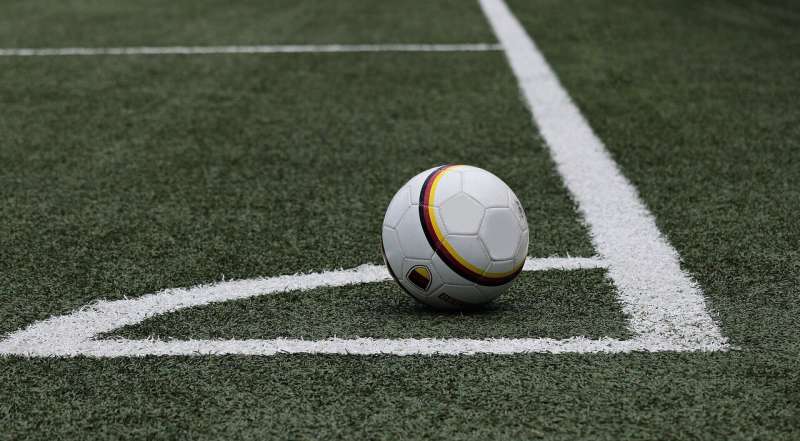
New research shows that social and economic barriers significantly impact youth sports participation, highlighting the importance of making sports accessible for all to enhance physical and mental well-being.
Research indicates a significant drop in sports participation among adolescents, especially those from lower social and economic backgrounds. Data from the Ungdata survey, analyzed in two recent studies published in Frontiers in Psychology and Frontiers in Sports and Active Living, reveal that up to 80% of youth from the lowest social levels cease engaging in sports during adolescence. Specifically, two-thirds of young people from high socio-economic classes and three-quarters from middle classes drop out, compared to 80% from the lowest class.
Participating in organized physical activities offers several benefits for young people, including enhanced well-being, reduced stress, and better academic performance. The studies emphasize that girls benefit the most, showing higher life satisfaction and feeling more supported when involved in sports. Conversely, boys participating in traditionally female-dominated sports like horseback riding and dance report lower life satisfaction than their peers.
The social status of sports varies, with tennis and cross-country skiing enjoying high regard among Norwegian teens. Surprisingly, children engaged in cross-country skiing tend to be more active, perform better in school, and experience fewer health issues. Despite motorsports having lower social standing, boys involved in these activities report high life satisfaction.
A key concern highlighted by the researchers is the financial barrier to sports participation. For example, a 15-year-old might need to pay approximately NOK 11,700 annually to participate in cross-country skiing, making it inaccessible for many families. Alarmingly, only 20% of young people meet recommended physical activity levels, with a higher proportion of girls being insufficiently active.
To promote lifelong health benefits, the researchers stress the importance of making sports participation affordable and accessible for all youth. Encouraging young people to find activities they enjoy and removing financial barriers can help maintain active lifestyles, supporting both physical and mental health.
Source: https://medicalxpress.com/news/2025-08-barriers-young-people-sports.html
Stay Updated with Mia's Feed
Get the latest health & wellness insights delivered straight to your inbox.
Related Articles
Four Key Lifestyle Habits That May Extend Lifespan to 100 Years
Learn about four key lifestyle habits—physical activity, nutritious eating, quality sleep, and stress management—that may help you reach 100 years old with good health.

Are Different Types of Water Better for Hydration and Nutrition?
Discover whether different types of bottled water, such as alkaline or electrolyte-enhanced, offer real health benefits or if plain water remains the best choice for hydration and nutrition.

Preventing Hand Injuries in the Kitchen: Tips for Safe Cooking and Cleaning
Learn essential safety tips to prevent hand injuries while cooking and cleaning in your kitchen. Expert advice from Mayo Clinic emphasizes caution during holiday gatherings and everyday use.

Bilingual Campaign Raises Awareness About Hypertension in Latino Communities
A bilingual campaign by the American Heart Association aims to raise awareness about hypertension in Latino communities, emphasizing early detection, lifestyle changes, and treatment to prevent heart disease and strokes.