Celebrities Turn to Propranolol, a Common Heart Medication, to Ease Anxiety: Should You Consider It?

Propranolol, a popular heart medication, is increasingly used by celebrities to manage anxiety. Discover how it works and the risks involved in off-label use for anxiety relief.
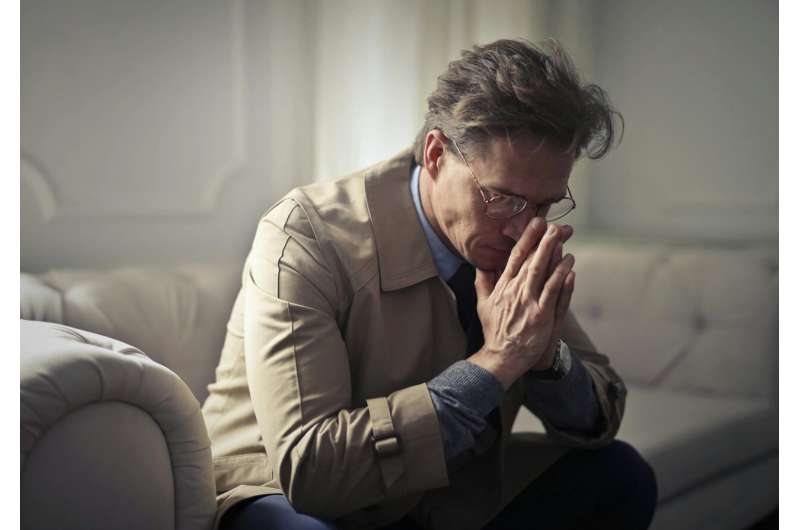
Propranolol, a medication initially developed to treat high blood pressure, has gained popularity among celebrities and the public for its calming effects on anxiety, especially in high-stress situations. This beta-blocker works by slowing down the heart rate and reducing the physical symptoms associated with adrenaline surges, such as palpitations and sweating, which can help manage performance-related or situational anxiety.
The drug was first introduced in the 1960s and has a well-established safety profile when used for approved indications like hypertension, irregular heartbeat, or angina. Interestingly, over the years, many have discovered that propranolol can mitigate physical symptoms of anxiety, leading some to use it off-label for this purpose. Notably, celebrities like Robert Downey Jr. and Katy Perry have admitted to using beta-blockers to calm nerves before public appearances.
However, the scientific community remains cautious. Evidence supporting propranolol’s effectiveness for generalized anxiety is limited, and experts warn about the risks of misuse and overdose. Without solid clinical trials, it’s not officially approved for anxiety treatment, and its off-label use carries potential side effects.
Propranolol functions by blocking beta receptors influenced by adrenaline and noradrenaline, hormones that activate the fight-or-flight response. By doing so, it can reduce physical symptoms such as rapid heartbeat, tremors, and excessive sweating, which can make social or performance anxiety more manageable.
Getting a prescription for propranolol is relatively straightforward, as it is a common medication often prescribed for heart conditions. Nonetheless, using it without a medical indication or supervision can be dangerous. Side effects include fatigue, nightmares, low blood pressure, blood pooling, and in some cases, cardiac failure, particularly in the elderly or those with preexisting heart issues.
Healthcare professionals emphasize that medications approved specifically for anxiety disorders, such as selective serotonin reuptake inhibitors (SSRIs) or benzodiazepines, are generally more suitable for chronic anxiety. The challenge remains that many antianxiety drugs can cause sedation, and no new medications with fewer side effects have emerged in recent decades.
In summary, while propranolol can be effective in controlling physical symptoms of anxiety, it is not without risks. It is crucial to consult a healthcare provider before considering its use, especially because misusing the medication can lead to severe health complications. The safest approach involves proper diagnosis and treatment plans tailored to individual needs.
source: https://medicalxpress.com/news/2025-09-celebrities-common-heart-medication-calm.html
Stay Updated with Mia's Feed
Get the latest health & wellness insights delivered straight to your inbox.
Related Articles
Majority of U.S. Workers Experience Elevated Stress Due to Job Insecurity
Over half of U.S. workers report that job insecurity significantly impacts their stress levels, with many fearing job loss amid economic and policy uncertainties, highlighting the need for mental health support in workplaces.

Impact of Insufficient Screenings and Support on Pregnancy-Related Mental Health Issues
Many mothers and caregivers experience increased anxiety and depression during pregnancy and postpartum, worsened by lack of screenings and support. Recent research highlights critical gaps in mental health care and policy, urging comprehensive reforms for better caregiver well-being.

Addressing Mental Health Needs of Cancer Caregivers: The Importance of Targeted Support Systems
A groundbreaking study reveals significant mental health challenges among Vietnamese caregivers of lung cancer patients, emphasizing the need for culturally sensitive support systems to improve caregiver well-being.

Navigating the Intense Emotions of Early Grief: Evidence-Based Strategies for Healing
Discover evidence-based strategies to manage the intense emotions and physical responses during the early days of grief, helping you cope and find stability after loss.