California Experiences Rise in Measles Cases as National Numbers Hit 30-Year High
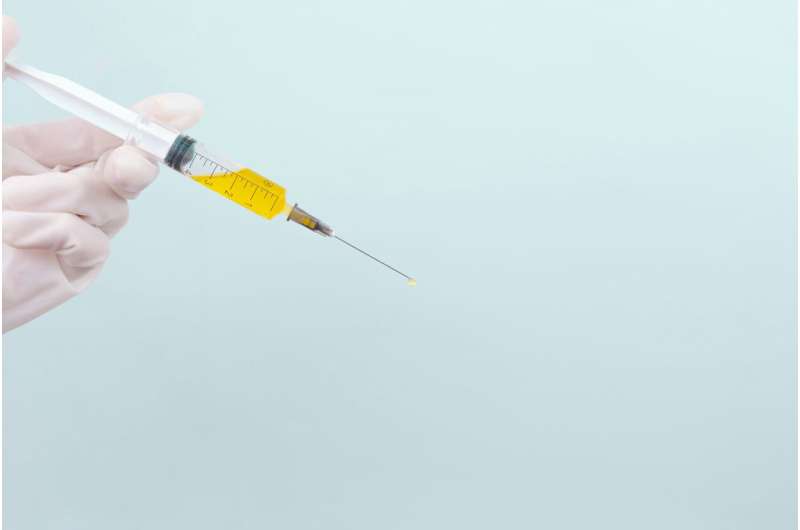
Measles cases across the United States are reaching levels not seen in over three decades, with California experiencing a notable rise. Experts warn of increasing hospitalizations and stress the importance of vaccination to curb the outbreak.
In 2025, the United States is witnessing a significant resurgence of measles, a highly contagious viral disease that had been nearly eliminated by the turn of the century. So far this year, the nation has reported 1,319 measles cases, leading to 29 outbreaks and 165 hospitalizations, according to the Centers for Disease Control and Prevention (CDC). Tragically, three individuals have succumbed to the illness. The last comparable spike occurred in 1992 with 2,126 cases, but the peak of 27,808 cases was recorded in 1991.
California, in particular, has reported 18 confirmed cases as of July 23, 2025. This is an increase compared to 15 cases in 2024 and only four cases in 2023. The cases are spread across multiple counties, including Los Angeles, Orange, Fresno, Riverside, and others. Nonetheless, experts emphasize that these figures remain relatively low compared to nationwide numbers, primarily because California maintains some of the strictest vaccination policies in the country.
The surge in measles cases is attributed mainly to international travel and decreasing vaccination rates within the United States. The California Department of Public Health states that approximately 90% of unvaccinated individuals exposed to the virus will contract the disease. Measles remains airborne and highly infectious, capable of lingering in the air for up to two hours, making containment challenging.
Epidemiologists warn that unless vaccination rates improve, the U.S. risks losing its measles elimination status, which could result in more cases, hospitalizations, and fatalities. Experts like Dr. Peter Chin-Hong from UCSF express concern that the recent trends might signal a broader comeback of vaccine-preventable diseases, likening the current situation to a combustible dry forest ready to ignite.
Public health officials continue to advocate vaccination as the most effective method to prevent measles. The CDC recommends two doses of MMR vaccine, which is about 97% effective. In California, vaccination rates among kindergarteners are above the national average at 96.2%, partially thanks to policies implemented after the 2014 Disneyland outbreak.
The common symptoms of measles include high fever, cough, runny nose, watery eyes, and a distinctive rash. Serious complications can involve pneumonia, encephalitis, and blindness, especially in vulnerable groups such as children under five.
Anyone who is unprotected faces the risk of infection, but vaccination remains the best safeguard. The CDC advises children to receive their first dose between 12-15 months and a second dose at age four to six. Healthcare providers stress the importance of maintaining high immunization rates to prevent a further resurgence of this dangerous disease.
Source: https://medicalxpress.com/news/2025-07-measles-cases-year-high-bad.html
Stay Updated with Mia's Feed
Get the latest health & wellness insights delivered straight to your inbox.
Related Articles


AI Innovation Enables Detection of Fatty Liver Disease via Chest X-Rays
Innovative AI model analyzes routine chest X-rays to detect fatty liver disease, offering a cost-effective and accessible diagnostic method that could transform early screening strategies.

Low Uptake of RSV Antibody Shots in Infants Highlights Disparities
A new study reveals low coverage of RSV antibody shots among eligible infants, with significant disparities affecting marginalized groups, highlighting the need for improved vaccination efforts and equity.

Insights into the Early Stages of Lung Fibrosis Through Tissue Stiffening
New research reveals how tissue stiffening in the lungs can be a key early indicator and trigger of fibrosis, opening doors for earlier diagnosis and intervention.