Federal Move to Decertify Miami-Based Organ Donation Agency Sparks Concerns

Federal health officials are evaluating the shutdown of the Miami-based Life Alliance Organ Recovery Agency due to safety and operational shortcomings, marking a significant step in efforts to improve organ donation systems in the U.S.
Federal health authorities are considering the shutdown of the Life Alliance Organ Recovery Agency, a key nonprofit organization responsible for organ procurement in Miami. The decision follows an investigation revealing critical safety issues, operational deficiencies, and paperwork errors that jeopardize the integrity of the organ donation process.
The Life Alliance Organ Recovery Agency operates under the umbrella of the University of Miami Health System and is among 55 such organizations across the United States. These agencies recover vital organs from deceased donors and facilitate their transplantation into patients awaiting life-saving procedures.
According to a recent report by The Associated Press, the Centers for Medicare and Medicaid Services (CMS) uncovered multiple concerns during their review. These include instances where organs were sent to incorrect locations, missed opportunities for organ recovery, inadequate staffing, and a notable case in 2024 where a paperwork mistake led a surgeon to decline a potential heart donation.
If finalized, this could mark the first time a U.S. organ procurement organization has been decertified by the federal government. The agency in question has the right to appeal the decision, but has yet to respond to inquiries.
Currently, over 100,000 people in the U.S. are on transplant waiting lists, with thousands dying annually before receiving an organ, as reported by the U.S. Health Resources and Services Administration. Last year alone, more than 48,000 transplants were performed nationwide, predominantly from deceased donors.
Dr. Mehmet Oz, head of CMS, stated that the move is part of broader efforts to enhance the transplant system's safety and efficiency. He emphasized that the majority of organ procurement organizations operate effectively, and this action aims to address systemic issues.
For additional information on organ donation procedures and policies, visit the United Network for Organ Sharing at https://unos.org/transplant/.
This development highlights ongoing concerns about the functioning and oversight of organ donation agencies and underscores the importance of maintaining rigorous standards to save lives.
Stay Updated with Mia's Feed
Get the latest health & wellness insights delivered straight to your inbox.
Related Articles

Revolutionizing Skin Cancer Detection with AI: A New Tool for Doctors
A new AI system called PanDerm enhances skin cancer detection by analyzing multiple skin images simultaneously, improving accuracy and supporting clinicians in early diagnosis.


Decline in Measles Vaccination Rates Post-Pandemic Across U.S. Counties
Recent studies show a significant drop in measles vaccination rates across U.S. counties after the COVID-19 pandemic, heightening the risk of outbreaks. source: https://medicalxpress.com/news/2025-06-measles-vaccination-covid-pandemic-counties.html
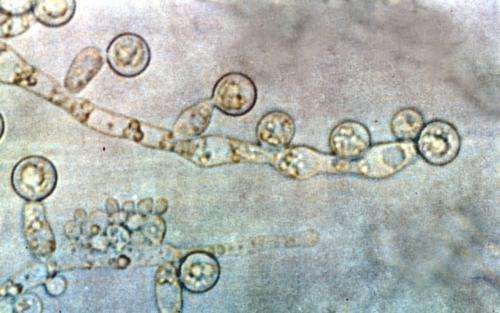
Understanding How Candida albicans Colonizes the Human Gut
New research uncovers the mechanisms behind Candida albicans' ability to colonize the human gut, highlighting potential targets to prevent fungal overgrowth and associated health risks.