New Clinical Data Revealed for EBC-129, a Promising Cancer Drug in Phase I Trials
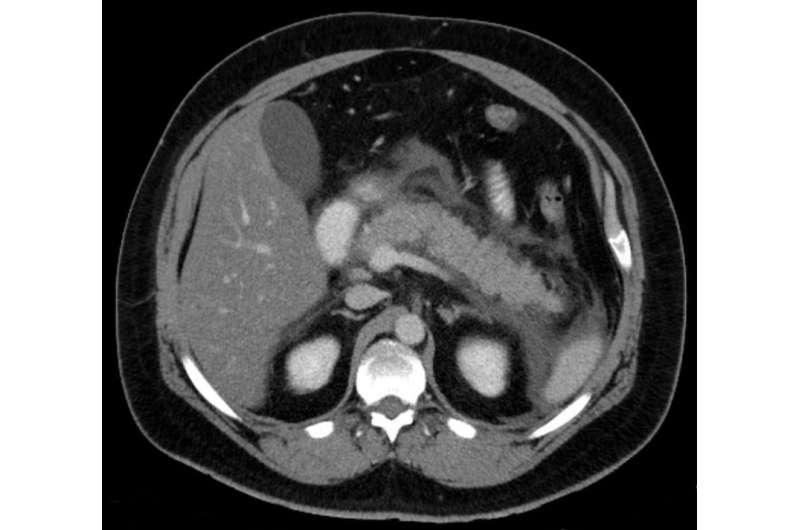
Updated results from Phase I trials of EBC-129, a novel antibody-drug conjugate, show promising efficacy and safety in heavily pre-treated pancreatic cancer patients, paving the way for further clinical development.
The Experimental Drug Development Center (EDDC) in Singapore has announced updated findings from their ongoing Phase I clinical trial of EBC-129, an innovative antibody-drug conjugate (ADC), during the 2025 Annual Meeting of the American Society of Clinical Oncology (ASCO) in Chicago. EBC-129 is designed to target a novel, tumor-specific N256-glycosylated epitope on the proteins CEACAM5 and CEACAM6, potentially offering a new therapeutic avenue for challenging cancers.
The recent results highlight encouraging activity in heavily pre-treated pancreatic ductal adenocarcinoma (PDAC) patients. In the study, 21 patients received EBC-129 at doses ranging from 1.8 to 2.2 mg/kg, administered once every three weeks. Most participants had prior treatments, with 81% having previously received taxanes, and 82% exhibiting tumors expressing the EBC-129 target antigen at ≥1% with high intensity.
Efficacy data demonstrated an overall response rate of 25% at 1.8 mg/kg and 20% at 2.2 mg/kg, with disease control rates exceeding 63% and nearly 88%, respectively. Progression-free survival was observed to be 19 weeks and 12 weeks for the two dose levels, indicating potential clinical benefit. Notably, these results come alongside a manageable safety profile, with neutropenia and infusion-related reactions being the main treatment-related adverse events.
Pancreatic adenocarcinoma remains a formidable cancer with limited treatment options, especially in advanced stages. Dr. Robert W. Lentz from the University of Colorado highlighted the significance of the findings, emphasizing the tolerability and signs of efficacy observed in this difficult-to-treat population. The positive preliminary outcomes have prompted continued development and exploration of EBC-129 through ongoing dose expansion cohorts covering other tumor types, including gastroesophageal and other solid tumors.
Furthermore, EBC-129 has received Fast Track designation from the U.S. Food and Drug Administration (FDA), facilitating accelerated development and review processes. The high expression levels of the EBC-129 antigen across various cancer types, including gastroesophageal, colorectal, appendiceal, and lung cancers, suggest broad potential applicability.
Overall, these promising results reinforce EBC-129's potential as a targeted therapy for pancreatic and other solid tumors, especially for patients with limited treatment options. The ongoing clinical studies aim to further evaluate its safety and efficacy, with the goal of delivering new hope for patients battling these aggressive cancers.
For more detailed information, visit [Clinicaltrial.gov, trial identifier NCT05701527].
Stay Updated with Mia's Feed
Get the latest health & wellness insights delivered straight to your inbox.
Related Articles

Exploring the Long-Term Journey of Older Breast Cancer Survivors
Understanding the unique long-term challenges faced by older breast cancer survivors is crucial for developing personalized care strategies that improve quality of life after treatment.

Multiple Chronic Conditions Significantly Increase Depression Risk, Study Finds
A recent study reveals that individuals with multiple chronic health conditions, especially combinations like diabetes and heart disease, face more than double the risk of developing depression. Integrated care approaches are essential to address this complex health challenge.

Lung Cancer Alters Immune Cell Development in Bone Marrow, Impairing the Body's Defense Mechanisms
New research uncovers how lung tumors reprogram immune cells in the bone marrow, weakening the body's defenses and opening new avenues for targeted therapies in lung cancer treatment.

'Traffic controller' protein that protects DNA discovered, and it may help kill cancer cells
Researchers at Mayo Clinic have discovered a 'traffic controller' protein, KCTD10, that protects DNA during cell division. This breakthrough enhances understanding of DNA stability and offers promising avenues for targeted cancer therapies.