Real-World Data Demonstrates Benefits of Teclistamab for Diverse Multiple Myeloma Patients
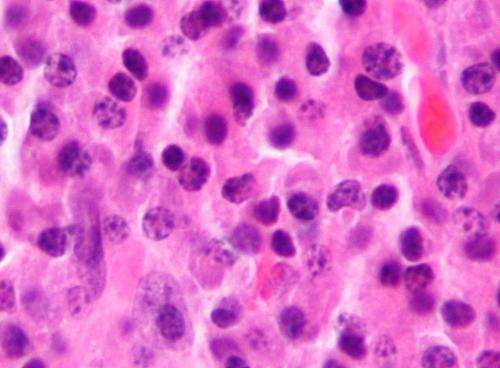
New real-world evidence shows that teclistamab can provide meaningful benefits to a broader range of multiple myeloma patients, including those with high-risk features and previous therapies, beyond the initial clinical trial population.
Recent research indicates that teclistamab, a bispecific antibody targeting BCMA, shows promise for a broader range of multiple myeloma patients than previously documented. Originally approved in 2022 for patients who had undergone at least four prior therapies, this immunotherapy's effectiveness is now being explored in real-world settings involving patients with complex health profiles. A groundbreaking study led by Dr. Beatrice M. Razzo analyzed data from 509 patients across 15 U.S. medical centers, revealing that nearly 89% of these patients would have been considered ineligible for the initial pivotal trial due to factors like prior BCMA therapies, cytopenias, or poor performance status. Despite high-risk features, the treatment resulted in significant disease reduction, with over half experiencing at least a 50% decrease in tumor burden and nearly 45% achieving a 90% reduction. Patients also demonstrated durable responses, with median progression-free survival exceeding five months, and a majority remained alive at the one-year mark. Notably, patients previously treated with CAR T-cell therapies or antibody-drug conjugates like belantamab mafodotin responded comparably to those who were BCMA therapy-naïve. However, recent BCMA-targeted treatments within nine months appeared to lower response rates and shorten progression-free periods, emphasizing the importance of treatment timing and disease biology. For more details, refer to the full study published in Blood Cancer Discovery (2025). This research underscores teclistamab’s potential to benefit a wide and more vulnerable patient population, highlighting the need for ongoing studies to optimize its use in diverse clinical scenarios.
Stay Updated with Mia's Feed
Get the latest health & wellness insights delivered straight to your inbox.
Related Articles

Ethical and Policy Challenges of Lab-Grown Reproductive Cells: New Insights
A new report explores the ethical and policy issues surrounding in vitro gametogenesis, a groundbreaking technology that could revolutionize fertility treatments and reproductive options, including for same-sex couples. The report calls for careful, collaborative discussion before clinical use.

Reevaluating Phototherapy in Neonatal Jaundice: The Impact of Skin Color on Treatment Effectiveness
Emerging research suggests that skin pigmentation significantly influences the effectiveness of phototherapy in treating neonatal jaundice, highlighting the need for personalized approaches for diverse skin tones.

Reduced Ribosome Levels During Neurodevelopment Increase Brain Cell Vulnerability
New research uncovers how natural declines in ribosome production during early brain development increase vulnerability, shedding light on neurodevelopmental disorders linked to ribosome biogenesis mutations.