South Carolina Woman Awarded Millions After Incorrect Thyroid Removal in Surgical Error
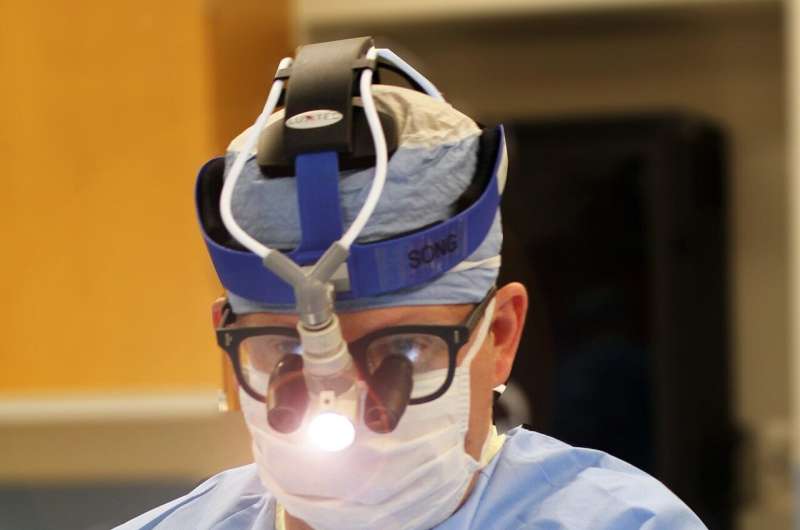
A South Carolina woman received over $5 million after her surgeon removed her entire thyroid gland without her consent, highlighting critical issues in surgical care and patient rights.
In a significant medical malpractice case in South Carolina, a jury awarded approximately $5.1 million in damages to a woman who claimed her surgeon mistakenly removed her entire thyroid gland during a procedure. The case centered around Natalie Boyd, who alleged that Dr. Richard C. Osman and Coastal Otolaryngology Associates in Myrtle Beach failed to follow the standard of care and performed an unnecessary total thyroidectomy without her consent. The surgery took place in December 2017, despite pre-operative assessments indicating her thyroid was enlarged but non-cancerous.
Boyd's lawsuit, filed in March 2021, detailed that she had four pre-surgical visits with Dr. Osman. She stated she explicitly communicated that she only consented to removing part of her thyroid unless cancer was discovered, which would justify a total removal. However, during the operation, Osman performed a total thyroidectomy, removing her entire gland—an action she did not agree to and which was not medically indicated since she was cancer-free.
Following the surgery, Boyd experienced numerous health issues, including persistent fatigue, anxiety, difficulty swallowing, choking, and other complications directly impacting her quality of life.
The jury's verdict, announced on August 29, was in favor of Boyd, attributing her injuries to the breach of care by Osman and his practice. The damages included $105,000 for medical expenses and $5 million for pain, suffering, and emotional distress. Osman and the practice's attorneys filed motions for a new trial shortly after the verdict, challenging the jury's decision.
Throughout the trial, Boyd's presentation included handwritten notes indicating her restriction to partial removal unless cancer was present, supporting her claim of informed consent violation. Osman’s defense argued that Boyd had changed her notes to suggest she would only consent to total removal if cancer was involved, a claim Boyd and her legal team contested.
Osman, whose medical license had expired in June 2021 and was no longer active, faced scrutiny despite no prior disciplinary history through the South Carolina Board of Medical Examiners.
This case highlights the critical importance of clear communication and adherence to surgical protocols, emphasizing patient rights and informed consent. It also raises questions about accountability and the legal responsibilities of surgeons to follow precise surgical plans agreed upon beforehand.
Stay Updated with Mia's Feed
Get the latest health & wellness insights delivered straight to your inbox.
Related Articles

New Insights into Crohn's Disease: Targeting Transcription Factors RUNX2 and BHLHE40
Researchers have identified key transcription factors RUNX2 and BHLHE40 as pivotal in Crohn's disease inflammation. This discovery opens new avenues for targeted therapies to treat and prevent disease relapse.

White House Report Attributes Youth Health Decline to Toxins, Diet, and Screen Time
A White House report highlights environmental toxins, poor nutrition, and excessive screen time as key factors contributing to the decline in children's health, calling for urgent action to improve youth wellness.
New Insights into Molecular Causes of Cystic Fibrosis Drug Resistance
Recent research uncovers the molecular mechanisms behind cystic fibrosis drug resistance, paving the way for personalized treatments tailored to individual CFTR gene variants. Discover how scientists are working to improve outcomes for resistant CF patients.

Recognition of Gulf War Illness with New Diagnostic Code Enhances Veteran Care and Research
Gulf War illness now has a dedicated diagnostic code in ICD-10-CM, marking a major step forward for veteran validation, research, and healthcare improvement. This new classification officially recognizes GWI as a physical and service-related disorder, aiding diagnosis and advancing scientific understanding.