Increasing Trends in Pediatric Exposure to Medications and Supplements from 2000 to 2023

A recent study reveals a significant increase in medication and supplement exposures among children aged 6 to 12 from 2000 to 2023, highlighting urgent safety concerns and the need for preventative measures.
Between 2000 and 2023, there was a significant rise in the number of children aged 6 to 12 years who were exposed to medications, dietary supplements, and psychoactive substances, according to a comprehensive study published in the journal Pediatrics. Researchers analyzed data from the National Poison Data System, identifying over 1.5 million primary substance exposures among this age group over the 23-year period.
While most exposures resulted in minimal medical consequences, a notable percentage led to serious health outcomes, including hospital admissions, moderate or major effects, and even fatalities—95 deaths were reported during this period. Interestingly, nearly half of these exposures were due to therapeutic errors, such as accidental ingestion or incorrect dosing. Suspected self-harm or suicidal intent was involved in approximately 4.7% of cases, with this figure rising sharply over the years by over 300%, highlighting a concerning trend.
Children aged 12 were particularly vulnerable to exposures related to self-harm or suicidal thoughts, accounting for over a quarter of such cases. Those with suspected self-harm exposure were far more likely to require hospitalization or experience severe health outcomes. The study emphasizes that the overall exposure rate increased by more than 50%, with the rise driven largely by substances linked to self-harm, which surged by over 300%.
Experts suggest that these findings underscore the urgent need for targeted prevention strategies, better safety measures, and parental education to reduce pediatric exposure to potentially harmful substances. Further research is essential to develop effective interventions to protect children from these increasing risks.
Source: https://medicalxpress.com/news/2025-09-pediatric-exposure-medications-supplements.html
Stay Updated with Mia's Feed
Get the latest health & wellness insights delivered straight to your inbox.
Related Articles
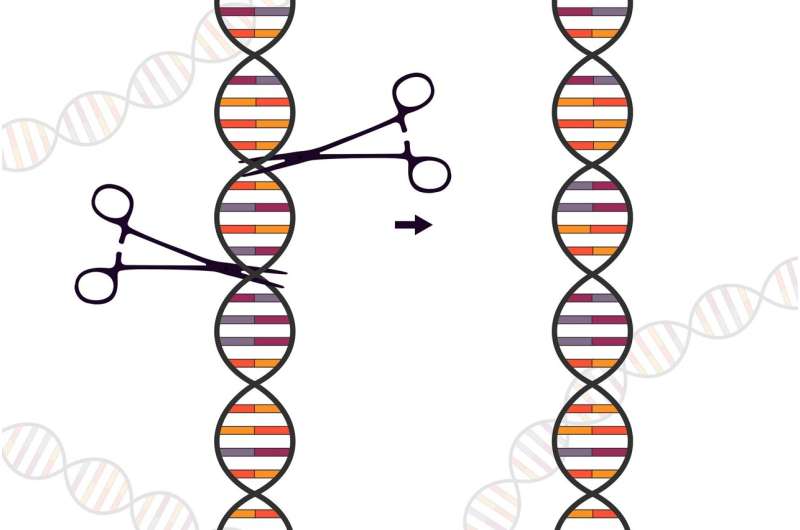
Innovative Gene-Editing Technique Offers Hope for Childhood Vascular Disease Treatment
A novel CRISPR-based gene-editing technology shows promise in treating deadly childhood vascular diseases by precisely targeting genetic mutations, extending survival in preclinical models.

Increased Risk of Rare Lymphoma in Breast Cancer Patients with BRCA Mutations and Textured Implants
Women with breast cancer carrying BRCA mutations who receive textured breast implants face a significantly higher risk of developing rare lymphoma, according to new research. The study underscores the importance of genetic testing and personalized healthcare in breast reconstruction decisions.

Takotsubo Syndrome: Recognizing Hidden Heart Risks in Intensive Care Units
New research highlights the importance of early detection of Takotsubo syndrome in ICU patients through specialized diagnostic tools and clinical pathways, aiming to reduce serious heart complications.

How Scrambled RNA Contributes to the Development of Type 2 Diabetes
New research reveals that small mutations in the HNF1A gene cause widespread RNA splicing errors in pancreatic beta cells, contributing to the development of type 2 diabetes. These findings pave the way for targeted RNA-based therapies addressing the disease at its root.