RFK Jr. Claims 'Everybody Can Get' a COVID-19 Vaccine: Fact-Check
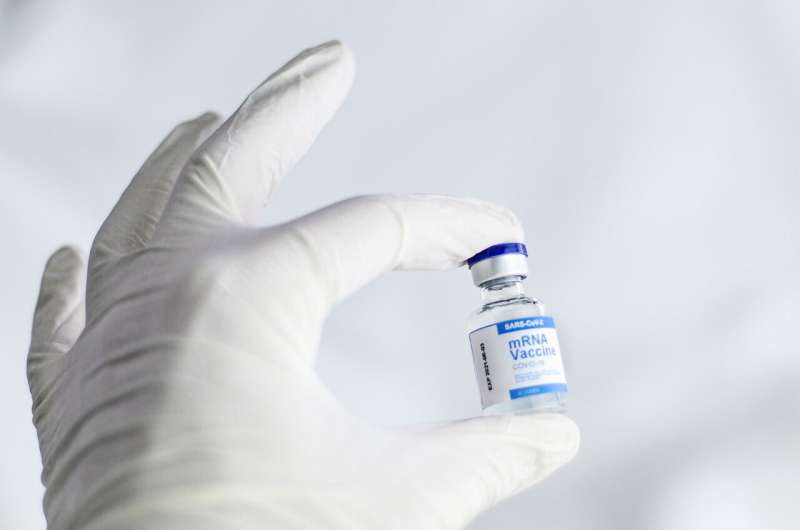
RFK Jr. asserts that 'everybody can get' the COVID-19 vaccine, but the reality involves regulatory, logistical, and coverage barriers that limit access for many. Read our fact-checking analysis.
During a Senate Finance Committee hearing on September 4, Robert F. Kennedy Jr. stated that 'everybody can get' the COVID-19 vaccine. However, this assertion requires context. While Kennedy emphasized that vaccines are technically accessible to all, the current public health guidelines and regulations have placed restrictions on who can receive the latest COVID-19 boosters. On August 27, the FDA updated its guidance, authorizing the vaccine for specific groups, notably those 65 years and older and individuals aged six months and above with underlying health conditions that increase their risk of severe COVID-19. Kennedy responded to criticisms by asserting that 'anybody can get the booster,' but clarified that it’s not recommended for healthy individuals. This statement overlooks the fact that vaccine availability is influenced by state regulations, prescription requirements, and insurance coverage, which vary significantly. For example, in some states, individuals need a doctor's prescription to get vaccinated, which could involve out-of-pocket costs and limited access at pharmacies. Moreover, the CDC’s Advisory Committee on Immunization Practices (ACIP), which guides vaccine recommendations, has yet to issue new guidance for the updated COVID vaccines. Until such guidance is provided, vaccine distribution and coverage remain uncertain. Kennedy’s broad claim that 'everybody can get it' simplifies the complex regulatory and logistical landscape, potentially misleading the public about the true accessibility of COVID-19 vaccines in the current phase of the pandemic. Source: https://medicalxpress.com/news/2025-09-rfk-jr-covid-vaccine-true.html
Stay Updated with Mia's Feed
Get the latest health & wellness insights delivered straight to your inbox.
Related Articles

Innovative Technician-Led Eye Clinics Could Expedite NHS Eye Care, Study Finds
Community-based, technician-led virtual eye clinics in shopping centers have shown significant potential to reduce NHS appointment wait times and address post-pandemic ophthalmology backlogs.

Dairy Cattle H5N1 Virus Stays Bird-Adapted with Minimal Human Transmission
Recent study indicates that the H5N1 virus found in dairy cattle remains bird-adapted with minimal risk of human transmission, emphasizing ongoing vigilance and effective treatments.
Innovative Approaches to Enhancing Home Care Quality Through Cooperatives
New research uncovers key strategies in home care cooperatives that can significantly improve quality, driven by worker empowerment and collaborative management. Source: UCLA study.

Open Science Drives Development of Broad-Spectrum Coronavirus Antiviral
A new broad-spectrum coronavirus antiviral, ASAP-0017445, developed through global open science and AI collaboration, shows promising potential as a next-generation treatment. Source: Medical Xpress.