New Insights into Lysosome Destabilization and Iron-Dependent Cell Death in Cancer

Recent research has uncovered a critical link between lysosome stability and iron-dependent cell death, known as ferroptosis, in cancer cells. This process involves the peroxidation of lipids within lysosomes, organelles responsible for degrading and recycling cellular components. Lipid oxidation leads to lysosomal membrane permeabilization, enabling the leakage of iron, which fuels further lipid peroxidation and cell death. This mechanism is especially significant in cancer treatment, as some cancer cells exhibit resistance to ferroptosis, making them harder to eliminate.
The study, conducted by researchers at Kyushu University, utilized both cultured cells and mouse models to visualize where ferroptosis begins within the cell. They discovered that lipid peroxidation in lysosomes acts as a pivotal step in initiating ferroptosis. Interestingly, lipid peroxidation occurred in lysosomes of resistant cancer cells without causing membrane damage unless agents like chloroquine were used to promote lysosomal rupture. This suggests potential strategies to induce ferroptosis even in resistant cancer types.
Professor Ken-ichi Yamada explained that understanding the origin of lipid peroxidation in ferroptosis helps develop targeted therapies. They developed a method to visualize lipid radicals and confirmed that lysosomal membrane permeabilization facilitates the spread of cell death signals. The research further indicates that manipulating lysosomal stability with drugs such as chloroquine could enhance ferroptosis, offering new avenues for cancer treatment.
The findings contribute to the broader goal of harnessing ferroptosis as a therapeutic tool, especially for cancers that evade conventional cell death pathways. Future research aims to unravel why some cells resist lysosomal damage during ferroptosis and how to overcome this resistance for effective therapies.
Source: https://medicalxpress.com/news/2025-05-lysosome-destabilization-iron-cell-death.html
Stay Updated with Mia's Feed
Get the latest health & wellness insights delivered straight to your inbox.
Related Articles

Innovative Performance Diagnostics Enhancing Girls' Soccer Skills
A new performance diagnostics system called SCoRE improves talent assessment for young female soccer players by analyzing skills in realistic game scenarios, supporting coaches with a scientifically validated, user-friendly app.

Revolutionary Universal CAR-T Cell Therapy Paves the Way for Safer Cancer Treatment
A new universal CAR-T cell therapy platform promises safer, adaptable, and targeted cancer treatment by enabling rapid retargeting and on-off safety controls, potentially transforming the landscape of cancer immunotherapy.

Is It Time to Ban Plastics in Your Kitchen for Better Health?
Emerging research highlights health risks linked to plastics used in the kitchen, emphasizing the importance of choosing safer alternatives and reducing plastic exposure to protect long-term health.
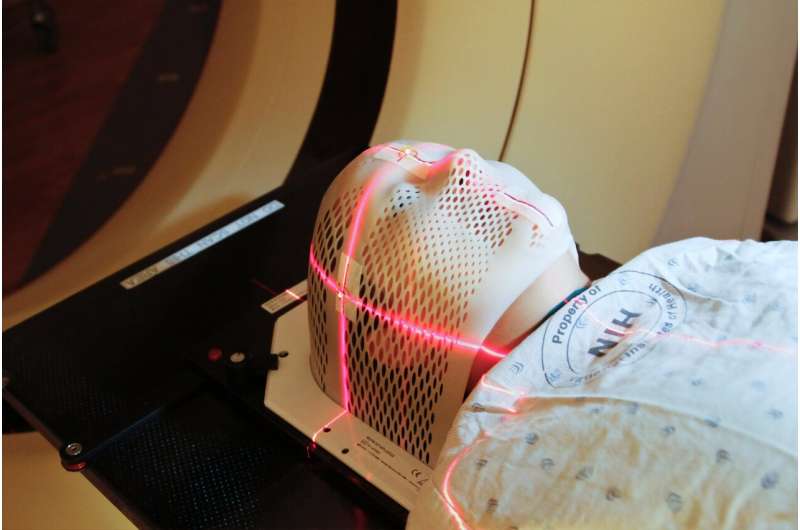
Innovative Immunology-Based Radiation Therapy Techniques Highlighted at International Conference
Researchers at the University of Kentucky highlight innovative immunology-driven radiation therapy techniques that enhance cancer treatment while preserving immune function, showcased at a major international conference.