Most Americans Support Vaccine Mandates Despite Rising Anti-Vaccine Rhetoric, New Surveys Indicate
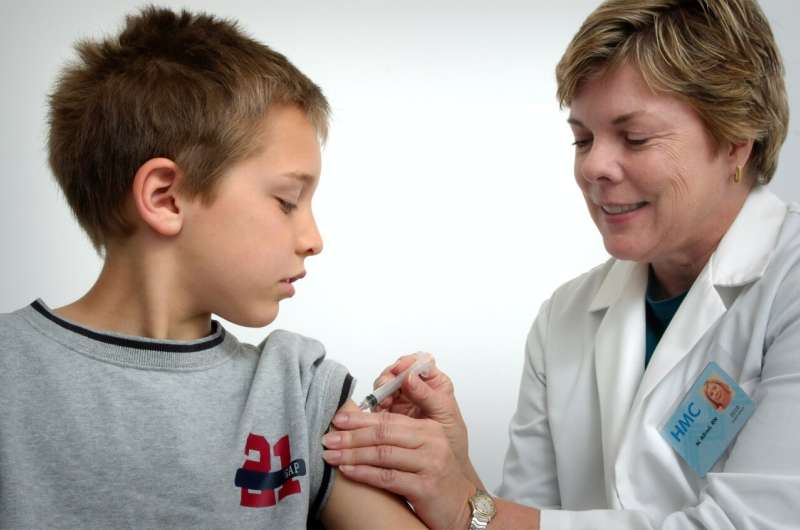
Recent surveys in 2025 indicate sustained support among Americans for vaccine mandates despite rising anti-vaccine rhetoric and political debates, highlighting the importance of public health education.
Amid ongoing debates and a surge in anti-vaccine sentiment fueled by political figures, recent surveys reveal that the majority of Americans continue to support vaccine mandates for children. Despite comments from high-profile figures, such as former President Donald Trump, who once promoted theories linking vaccines to autism and questioned the number of vaccines given to children, public backing remains strong.
A 2025 survey conducted by the University of Pennsylvania's Annenberg Public Policy Center showed that support for policies requiring vaccinations for preventable diseases declined slightly from 77% in 2019 to 73% in 2025. Researchers note this change is not statistically significant but observe a shift in attitudes, especially among Republicans, who are more likely to support opting out of vaccinations for personal or religious reasons.
Interestingly, support for specific vaccines, like the MMR vaccine for measles, mumps, and rubella, has increased. A survey in April 2025 found that 70% of the public favor mandates for MMR vaccination in public schools, up from 63% in 2023. Support is consistently high across most education levels and political affiliations, with Democrats showing nearly 90% support, compared to 61% of Republicans.
Experts like Paul Offit, director of the Vaccine Education Center at Children's Hospital of Philadelphia, emphasize the enduring public acceptance of vaccines. Despite anti-vaccine activism and misinformation campaigns, Offit believes most parents recognize the importance of vaccination.
The discussion around vaccines often heats up with high-profile incidents and statements. For example, during a news conference, Trump reiterated discredited theories about vaccines and autism, falsely claimed children receive 80 vaccines by age 18, and suggested spacing out vaccines—a practice not supported by scientific evidence.
Meanwhile, some states are changing their vaccine policies. Pennsylvania, for example, has relaxed restrictions, allowing pharmacists to dispense vaccines based on medical society recommendations and joining a regional coalition to improve vaccine access.
Overall, while anti-vaccine rhetoric continues to attract attention, the consensus among health experts and the general public remains that vaccines are a crucial tool in preventing deadly diseases. Continued education and transparent communication are vital to maintaining and increasing vaccination support in the face of misinformation.
For more details, visit: https://medicalxpress.com/news/2025-09-escalating-anti-vaccine-rhetoric-americans.html
Stay Updated with Mia's Feed
Get the latest health & wellness insights delivered straight to your inbox.
Related Articles


Childhood Exposure to Air Pollution May Impact Adolescent Health
New research reveals that childhood exposure to air pollution is linked to poorer health outcomes in late adolescence, highlighting environmental health disparities and the importance of pollution reduction policies.

Long-Term Effects of Maternal Diet During Pregnancy Unveiled in Rationing Study
A groundbreaking study shows that increased sugar intake during pregnancy in 1949 had lasting positive effects on children’s health and behavior, highlighting the importance of maternal nutrition.