Measles Exposure Reported at Wesley Medical Center in Wichita, Kansas
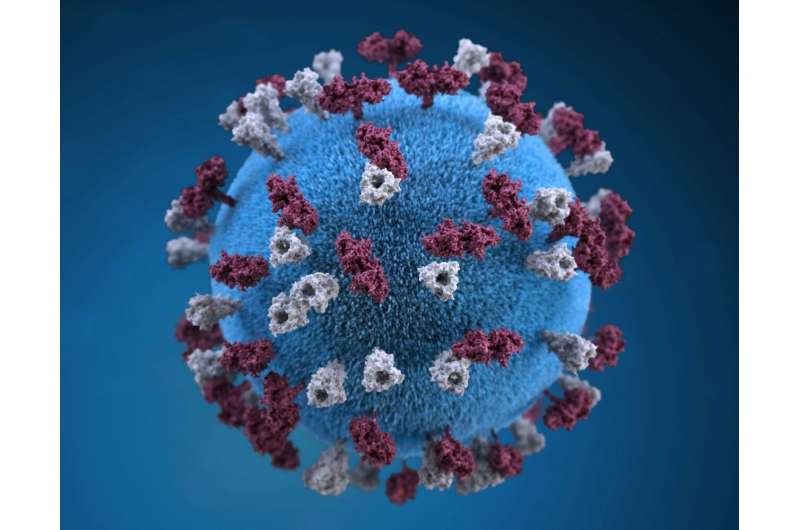
A recent measles exposure at Wesley Medical Center in Wichita, Kansas, has prompted health officials to advisemonitoring for symptoms and enhanced precautions to prevent outbreaks.
The Kansas Department of Health and Environment has reported a case of measles exposure at Wesley Medical Center located in Wichita. The exposure took place over a period starting Tuesday at 10 p.m. and concluded Thursday at 4:45 p.m. on the hospital's fifth floor of the pediatric unit in Building 4, situated at 550 N. Hillside.
Patients and visitors who were present in this area during the specified timeframe are advised to stay vigilant for symptoms associated with measles. Common signs include high fever, cough, runny nose, red and watery eyes, small white spots with bluish-white centers inside the mouth, and characteristic blotchy rashes on the skin.
The Sedgwick County Health Department urges individuals who may have been in the affected area to monitor their health closely. Since measles is a highly contagious respiratory disease caused by the measles virus, it can spread easily through the air via breathing, coughing, or sneezing. The virus can remain airborne or survive on surfaces for up to two hours, increasing the risk of transmission.
Symptoms of measles typically appear one to two weeks after exposure, emphasizing the importance of prompt observation and medical consultation if any symptoms develop. Public health officials continue to investigate the situation and provide guidance on preventing further spread.
This report highlights the ongoing need for vaccination against measles, especially in healthcare settings, to prevent outbreaks and protect vulnerable populations.
Source: https://medicalxpress.com/news/2025-07-measles-exposure-wesley-medical-center.html
Stay Updated with Mia's Feed
Get the latest health & wellness insights delivered straight to your inbox.
Related Articles

Advanced Heart Simulations Enhance Understanding and Treatment of Atrial Fibrillation
Cutting-edge computer simulations of the heart's electrical activity are providing new insights into atrial fibrillation, a common irregular heartbeat that can lead to severe health complications. Research aims to identify early intervention strategies to prevent long-term heart damage.

Endometriosis and Childhood Adversity: Understanding the Connection
Emerging research links childhood adversity to an increased risk of developing endometriosis later in life. This study highlights the importance of supporting healthy childhood environments to improve long-term women's health outcomes.

Dyspraxia in UK Children: Addressing the Gaps in Diagnosis and Support
Many UK children with developmental coordination disorder face delayed diagnosis and inadequate support, impacting their health, education, and well-being. Early intervention and increased awareness are crucial for improving outcomes.

Advancements in Gene-Editing Offer Hope for Late-Onset Tay-Sachs Disease Treatment
Researchers at NIH have made groundbreaking progress in developing a gene-editing therapy that could delay or prevent symptoms of late-onset Tay-Sachs disease, offering hope for affected individuals worldwide.