Global Shortage of Essential Nutrients Raises Significant Health Concerns

A recent study highlights a critical issue: a global deficiency in omega-3 polyunsaturated fatty acids, vital nutrients necessary for maintaining optimal human health. These nutrients, essential for proper functioning of the eyes, brain, cardiovascular, and endocrine systems, are primarily obtained through diet, especially from fish and certain plant sources. Unfortunately, due to environmental changes and human activities, the availability of uncontaminated omega-3 sources is decreasing.
Research conducted by Case Western Reserve University reveals that approximately 85% of the world's population does not consume enough omega-3s, a shortfall largely attributed to environmental factors like rising ocean temperatures, overfishing, and pollution. These challenges hinder access to omega-3-rich foods, leading to widespread deficiency.
Omega-3s play a crucial role in reducing the risk of chronic inflammation-related diseases, including heart disease, cancer, preterm birth, and mental health disorders. The study emphasizes the importance of increasing omega-3 production and reducing intake of omega-6 fatty acids, which can interfere with omega-3 functions in the body.
Historically, human diets maintained a balanced ratio of omega-3 and omega-6 fatty acids. However, modern industrialized diets contain approximately 20 times more omega-6s than omega-3s, disturbing this balance and impacting health.
The research team suggests that protecting ocean ecosystems and managing fisheries sustainably could improve access to uncontaminated omega-3 sources. Only about 15% of countries currently achieve sufficient omega-3 levels, mainly those with greater ocean access.
Ciesielski and colleagues advocate for a global effort to address environmental and food system challenges to ensure equitable access to these vital nutrients, emphasizing that this issue extends beyond healthcare into environmental and public health domains.
For further details, see the full study in AJPM Focus (2025).
Stay Updated with Mia's Feed
Get the latest health & wellness insights delivered straight to your inbox.
Related Articles

Ferroelectric Bioelectronics Pave the Way for Advanced Neural Interfaces
A novel ferroelectric bioelectronic platform mimics natural neural properties, enabling seamless, adaptive communication with the nervous system for advanced neural interfaces and therapies.

Mapping the Molecular Landscape of the Hippocampus: An Atlas of RNAs and Proteins at Synaptic Resolution
A groundbreaking study maps the molecular landscape of the mouse hippocampus, highlighting RNA and protein distribution at synaptic resolution to deepen our understanding of brain function and plasticity.

Innovative Large Language Model Enhances Patient Understanding of Radiology Reports
Stanford's RadGPT is a new AI-powered tool designed to simplify radiology reports, helping patients understand their scan results and improve communication with healthcare providers. Published in the Journal of the American College of Radiology, this system promises to make medical information more accessible and patient-friendly.
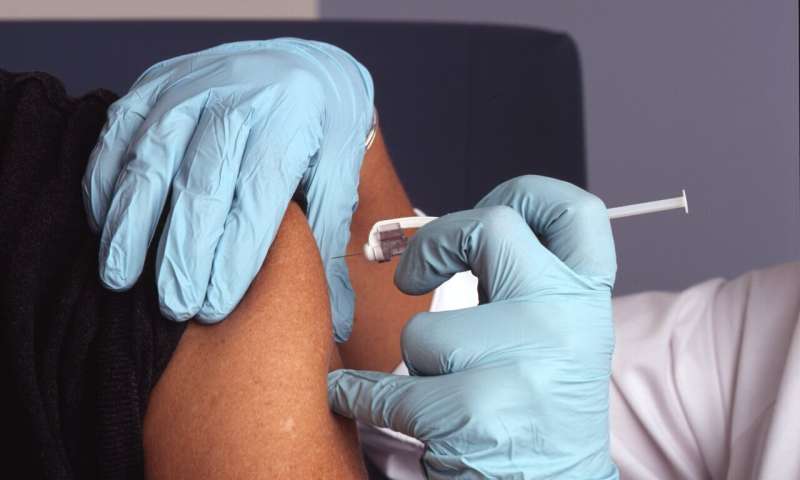
Emerging Cases of Meningococcal Disease: Symptoms and Vaccination Options
Learn about recent cases of meningococcal disease, its symptoms, how it spreads, and vaccination options to protect yourself and loved ones from this serious bacterial infection.