How Physical Exercise Enhances Immune System Function in Older Adults
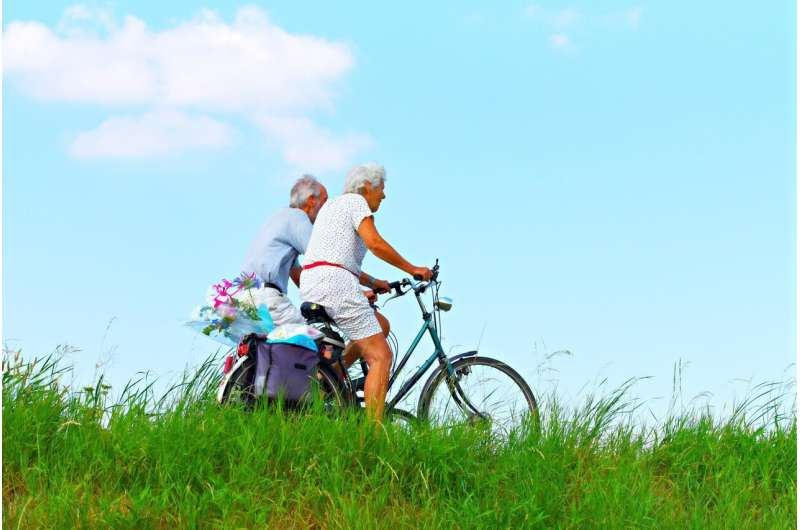
Regular endurance exercise enhances immune cell function in older adults, promoting better immune response and healthier aging. Discover the science behind how physical activity trains your immune system.
Regular physical activity not only improves muscle strength, cardiovascular health, and lung capacity but also plays a crucial role in strengthening the immune system, particularly in older adults. Recent research highlights that endurance training—such as long-distance running, cycling, swimming, rowing, or walking—contributes to a more resilient immune response.
A study involving older adults with a history of sustained endurance exercise revealed significant improvements in immune cell function. Specifically, researchers analyzed natural killer (NK) cells, which are vital for defending the body against viruses and abnormal cells, including cancer cells. They found that in physically active seniors, NK cells were more adaptable, showed less inflammation, and used energy more efficiently compared to their sedentary peers.
The study, published in Scientific Reports, indicated that these athletes exhibited better immune cell responses, even under inflammatory stress or when exposed to pharmacological inhibitors like propranolol and rapamycin. This suggests that long-term endurance training fosters "immunometabolic" adaptations, resulting in cells that are more mature, effective, and less prone to exhaustion. Such adaptations could help the immune system age more healthily.
Further comparison with young athletes demonstrated that lifelong training promotes a balanced inflammatory response, reducing excessive inflammation and maintaining immune regulation. This controlled immune response may be crucial in preventing chronic diseases linked to chronic inflammation, contributing to healthier aging.
These findings emphasize that engaging in regular, prolonged endurance exercises can serve as an external 'training' for the immune system, making it more responsive and efficient over time. In addition to lifestyle benefits like improved sleep and diet, physical activity emerges as a key factor in supporting immune health in aging populations.
Sources: https://medicalxpress.com/news/2025-10-physical-immune.html
Stay Updated with Mia's Feed
Get the latest health & wellness insights delivered straight to your inbox.
Related Articles

New Discoveries Reveal the Role of Iron Metabolism in Melanoma Cell Plasticity
New research uncovers the critical role of iron metabolism and organelle crosstalk in melanoma cell plasticity, highlighting potential targets for innovative cancer therapies.

Environmental Health Disparities: Latino Neighborhoods in Los Angeles Face Greater Risks
A UCLA-developed dashboard reveals that Latino neighborhoods in Los Angeles face significantly higher risks from extreme heat and pollution, highlighting urgent environmental justice and public health concerns.

Study Emphasizes the Importance of Better Communication on Sexual Health During Routine Medical Exams
New research highlights the importance of improved communication regarding sexual health during routine medical visits, emphasizing barriers faced by healthcare providers and the need for enhanced training.

Passive News Consumption Among Young Men Increases Susceptibility to Medical Misinformation
A study reveals that passive news consumption among young men significantly correlates with a higher belief in medical misinformation, highlighting the need for targeted media literacy education.