A Medical Expert Debunks Common Misconceptions About Vaccine Safety and RFK Jr.'s Claims
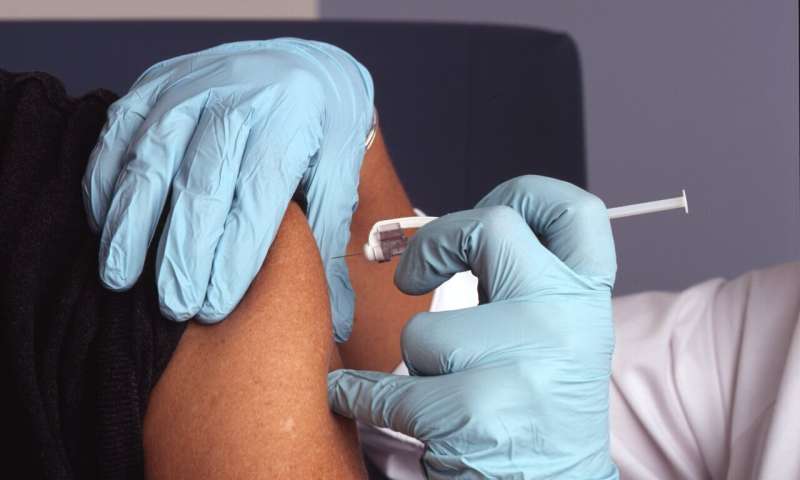
This article clarifies common misconceptions about vaccine safety, addressing false claims made by RFK Jr. and highlighting the extensive scientific evidence supporting immunizations' effectiveness and safety.
In recent months, Robert F. Kennedy Jr. has made several public statements questioning the safety of vaccines and the integrity of long-established immunization protocols, especially since assuming his role overseeing the Department of Health and Human Services. However, many of his assertions are factually incorrect and distort scientific evidence.
For example, Kennedy claimed that 97% of federal vaccine advisors are influenced by conflicts of interest, suggesting widespread corruption. This figure is based on a 2009 federal audit of a broad range of CDC advisory committees and not specifically the vaccine advisory panel. Further investigation reveals that only a small percentage of committee members received significant payments from pharmaceutical companies, and most had no such financial ties.
He also claimed that children receive 92 mandatory vaccine shots—a figure that is misleading. The actual number of vaccines required for school entry has increased over the decades, but current regulations typically mandate between 30 to 32 doses covering multiple diseases, not 92. The misconception may stem from outdated or exaggerated figures. Furthermore, the increase in vaccine doses has not compromised safety; in fact, modern vaccines contain far fewer antigens than those used decades ago, thanks to technological advances.
Vaccine schedules now include vaccines against diseases like Hemophilus influenzae type b, hepatitis A and B, chickenpox, pneumococcal disease, rotavirus, and human papillomavirus. These innovations have drastically decreased the incidence of these diseases, saving countless lives. For instance, the cases of bacterial infections like Hib have declined by 99%, and childhood hospitalizations for chickenpox and hepatitis have dropped more than 90%. The CDC estimates that widespread vaccination from 1994 to 2023 prevented over 500 million illnesses and more than a million premature deaths.
Kennedy also claims that only COVID-19 vaccines were tested against placebos, which is incorrect. Historical and ongoing clinical trials for routine vaccines have consistently used placebos, such as saline or adjuvants, to assess safety and efficacy. Notable examples include the large-scale 1954 Salk polio trial with over 600,000 children, testing the vaccine against a saline control.
Concerning vaccine safety data, multiple surveillance systems like VAERS, VSD, and PRISM monitor hundreds of millions of doses. These systems have identified safety concerns in the past, leading to vaccine withdrawals or restrictions when necessary, exemplifying robust post-market safety monitoring.
Regarding conflicts of interest, Kennedy's claim that most advisory committee members are compromised is unfounded. Comprehensive reviews of disclosures show that only a minority of members had any financial ties to industry, and strict recusal policies are in place.
Finally, Kennedy's use of terms like "immune deregulation" lack scientific basis. Vaccines help the immune system respond effectively to pathogens, preventing diseases that can cause long-term damage. The evidence overwhelmingly supports vaccines' safety and effectiveness, which have been instrumental in reducing childhood illness, disability, and mortality globally.
As a physician reviewing extensive vaccine research, it is crucial to correct misinformation and highlight the proven safety and lifesaving benefits of vaccines. It is essential for public health that we rely on accurate, evidence-based information rather than conspiracy theories and misconceptions.
Stay Updated with Mia's Feed
Get the latest health & wellness insights delivered straight to your inbox.
Related Articles

Prepare for Flu Season: Get Your Flu Shot Early This Fall
Stay protected this fall by getting your flu shot early. Learn about the latest flu vaccines, optimal timing, and who should get vaccinated to prevent severe illness this season.

New Study Reveals Vepdegestrant Extends Survival in Patients with Advanced ER+ Breast Cancer Featuring ESR1 Mutations
A new clinical trial reveals that vepdegestrant significantly improves progression-free survival in patients with ER-positive, HER2-negative advanced breast cancer with ESR1 mutations. Learn about the latest advancements in targeted breast cancer therapy.

Real-World Study Finds Injectable Obesity Medications Yield Less Weight Loss Than Expected
A Cleveland Clinic study shows that in real-world settings, injectable obesity medications like semaglutide and tirzepatide often produce smaller weight loss due to treatment discontinuation and lower dosages used outside clinical trials.

Impact of Policy Changes on American Medical Expenses: Rising Costs on the Horizon
Recent policy changes under the Trump administration are set to increase healthcare costs for millions of Americans, with higher insurance premiums, reduced protections, and more medical debt impacting financial stability nationwide.