Identification of the Top Three Risk Factors Increasing Mortality in Common Liver Disease
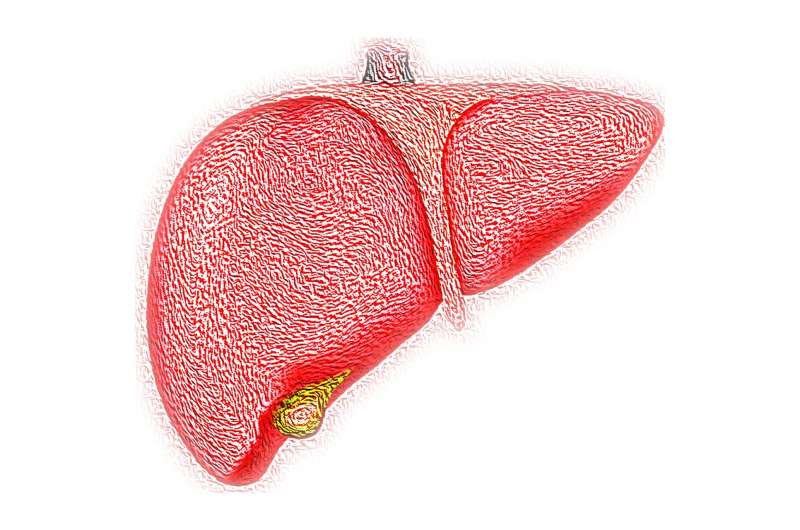
A new study identifies high blood pressure, pre-diabetes, and low HDL cholesterol as the leading risk factors increasing mortality in fatty liver disease, guiding better treatment approaches.
Metabolic dysfunction-associated steatotic liver disease (MASLD), also known as fatty liver disease, affects over one-third of the global population, making it the most prevalent chronic liver condition worldwide. This condition occurs when fat accumulates in the liver and is linked to several health issues, including obesity, Type 2 diabetes, high blood pressure, high blood sugar, and low levels of HDL cholesterol, which is often referred to as the 'good' cholesterol. Collectively, these are known as cardiometabolic risk factors, as they influence heart health and metabolic function.
While MASLD can result in severe complications such as advanced liver disease, cardiovascular problems, and kidney disease, research has been limited in identifying which specific risk factors most significantly impact mortality among affected individuals. A recent study by Keck Medicine of USC, published in Clinical Gastroenterology and Hepatology, sheds new light on this issue.
The study found that among the cardiometabolic risk factors, three stand out as the deadliest for patients with MASLD: high blood pressure, pre-diabetes or Type 2 diabetes, and low HDL cholesterol. These factors increase the risk of death by 40%, 25%, and 15%, respectively. Notably, high blood pressure was associated with a higher risk of mortality than diabetes, challenging previous assumptions that diabetes was the primary concern.
Furthermore, obesity was also identified as a significant risk, especially as body mass index (BMI) increases, highlighting the importance of weight management. The study revealed that each additional cardiometabolic risk factor present increases the likelihood of death by 15%. These findings were consistent regardless of gender, ethnicity, or racial background.
The researchers used data from the United States' National Health and Nutrition Examination Survey (NHANES), covering health information from 1988 to 2018, including around 21,000 individuals with MASLD. By tracking all-cause mortality in relation to these risk factors, the study provides critical insights into prioritizing treatment strategies.
Looking ahead, scientists aim to explore other influences such as genetics, diet, and alcohol use to develop comprehensive risk profiles. Dr. Norah A. Terrault emphasized that understanding these key factors will help healthcare providers tailor interventions more effectively, ultimately improving outcomes for patients with MASLD.
Source: https://medicalxpress.com/news/2025-09-deadliest-factors-common-liver-disease.html
Stay Updated with Mia's Feed
Get the latest health & wellness insights delivered straight to your inbox.
Related Articles
Understanding Vaccine Hesitancy: The Interplay of Social, Technological, and Psychological Factors
Vaccine hesitancy poses a significant challenge to public health, driven by social, technological, and cognitive factors. This article explores the complex roots of vaccine mistrust and strategies to address them.

Men's Awareness of Testicular Cancer: A Critical Public Health Gap
A new survey highlights the critical gap in men's awareness of testicular cancer, emphasizing the importance of early self-exams and education for young men at risk.

Breakthrough Algorithm Enhances Imaging of Cardiac Tissue and Vessels
A new algorithm improves imaging of cardiac tissue and vessels, enabling earlier diagnosis and better management of cardiovascular diseases by enabling clearer visualization through existing microscopes.

The Critical Role of Social Connection in Health Recognized by Recent Research
Emerging research underscores the underrecognized yet significant impact of social connection on health and longevity, urging a shift in healthcare and public awareness.