COVID-19 Vaccination During Pregnancy Leads to Improved Neonatal Outcomes Without Increased Maternal Risks
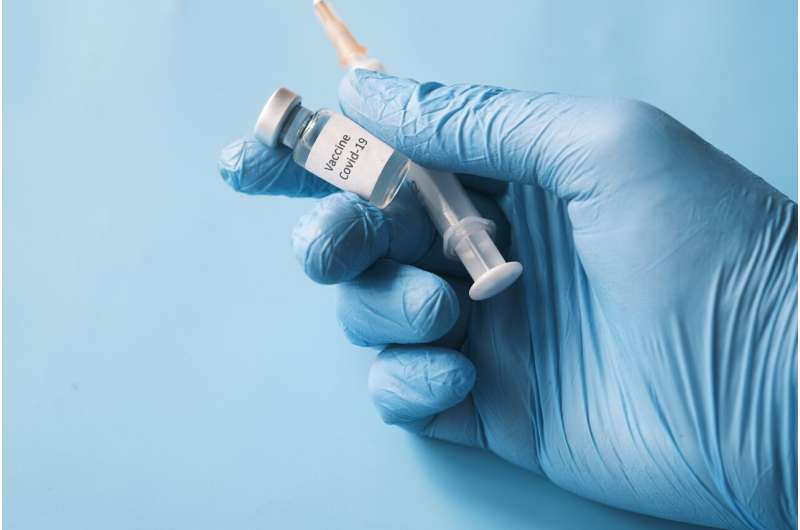
Research shows COVID-19 vaccination during pregnancy reduces infection risk and improves neonatal outcomes without increasing maternal health risks, supporting its safety and efficacy.
Recent research has demonstrated that COVID-19 vaccination during pregnancy offers significant health benefits for both mothers and their newborns, without adding health risks to the mother. An extensive analysis of over 1.2 million pregnant individuals revealed that vaccinated women experienced a 58% reduction in the risk of COVID-19 infection. Additionally, vaccination was linked to a decrease in adverse pregnancy outcomes, including an 8% lower chance of preterm birth before 37 weeks and a 34% reduction in preterm births before 28 weeks.
The study, titled "Safety and Efficacy of Maternal COVID-19 Vaccination During Pregnancy: Umbrella Review & Meta-Analyses," compiled data from 23 meta-analyses encompassing more than 200 studies. Conducted by researcher and Harvard University fellow Nikan Zargarzadeh, the review suggests that vaccination during pregnancy also lowers the risk of stillbirth by 25%, reduces the likelihood of neonatal intensive care admissions by 9%, and decreases the incidence of congenital anomalies by 17%. Importantly, no increased risks were observed concerning maternal health, including hospitalization, intensive care needs, gestational diabetes, hypertension, or pre-eclampsia.
The findings, shared during the American Academy of Pediatrics 2025 National Conference & Exhibition, reinforce the safety and benefits of COVID-19 vaccination for pregnant individuals. These results can provide valuable guidance for healthcare providers and pregnant women making informed vaccination decisions.
Source: https://medicalxpress.com/news/2025-09-covid-vaccination-pregnancy-neonatal-outcomes.html
Stay Updated with Mia's Feed
Get the latest health & wellness insights delivered straight to your inbox.
Related Articles

New Imaging Method Unveils the Ovarian Ecosystem's Role in Egg Maturation and Aging
Innovative imaging techniques have uncovered the complex ovarian ecosystem's crucial influence on egg maturation and aging, opening new paths for fertility preservation and health improvement.
Adult-Onset Type 1 Diabetes Elevates Risk of Heart Disease and Mortality, New Research Finds
New research reveals that adult-onset type 1 diabetes significantly increases the risk of cardiovascular disease and death, highlighting the importance of lifestyle modification and improved disease management.

New Brain Molecule Offers Insights Into Migraine-Related Light Sensitivity
Scientists uncover how the brain molecule NEAT1 influences light sensitivity in migraines, opening new possibilities for targeted treatments to reduce photophobia symptoms.

Innovative AI Method Measures and Monitors Aging Cells
A cutting-edge AI-powered technique for measuring and tracking cellular senescence offers new insights into aging and age-related diseases, paving the way for potential therapies.