Colorado Reports 10 Cases of Measles This Year Amid Airport-Related Outbreak Expansion
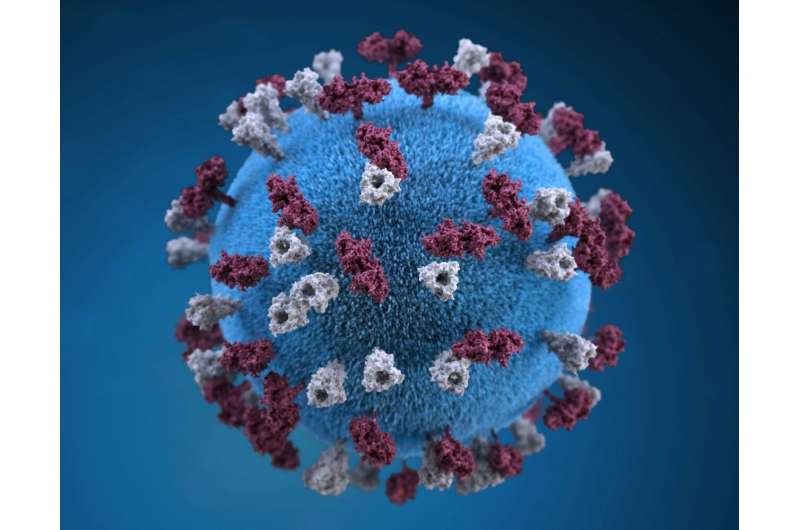
Colorado has reported 10 measles cases in 2025, with recent cases linked to an outbreak at Denver International Airport, highlighting the importance of vaccination and surveillance.
Colorado has confirmed a total of 10 measles cases in 2025, with recent cases linked to an outbreak associated with Denver International Airport. The outbreak saw three new infections, including two unvaccinated adults from El Paso County who contracted the virus after traveling through the airport on May 14. The third case involved a vaccinated individual from Arapahoe County who was a passenger on Turkish Airlines Flight 201, which arrived at DIA on May 13 and carried a contagious passenger.
Measles remains highly contagious, but two doses of the vaccine provide approximately 97% effectiveness. Fortunately, all three infected individuals are currently recovering at home, according to officials.
The Centers for Disease Control and Prevention (CDC) defines an outbreak as having at least three linked cases within a community. While the Turkish Airlines flight qualifies as an outbreak, health authorities have reported no evidence of secondary transmission among the community. The vaccinated individual from Arapahoe County did not go out during their infectious period, minimizing the risk of spreading the virus.
Public health officials have identified several locations visited by the infected individuals during their contagious period, including Love's Travel Stop and Carls Jr. in Grand Junction, Maverick Gas Station in Colorado Springs, and King Soopers in Colorado Springs. Those who visited these sites between specific dates are advised to monitor for symptoms such as fever, cough, runny nose, and a distinctive rash, which typically appears around four days after contagiousness begins.
Unvaccinated individuals exposed at the locations may still prevent infection by receiving the measles vaccine within 72 hours of exposure. However, this option is only available for those exposed at King Soopers, as the window has elapsed for other sites.
Additional cases include both adults and children from various counties, with a notably young patient requiring care at Children's Hospital Colorado. In a typical year, Colorado reports two or fewer measles cases, and surpassing 10 cases marks a rare occurrence since the 1990s.
Health officials emphasize the importance of vaccination and prompt reporting of symptoms to prevent further spread of measles in the state.
Stay Updated with Mia's Feed
Get the latest health & wellness insights delivered straight to your inbox.
Related Articles

Addressing Global Disparities in Cancer Research Funding
A comprehensive study reveals stark inequalities in global cancer research funding, emphasizing the urgent need for increased investment in lower-income countries to combat rising cancer rates worldwide.

Research Uncovers 'Switch-Like' Gene Behavior Linked to Human Disease
A groundbreaking study reveals that nearly 500 human genes switch between active and inactive states, influencing health and disease, driven by hormones and genetics.
Sustainable Practices in Healthcare: Is Reusing Medical Equipment Safe?
Exploring the safety and environmental benefits of reusing medical equipment, a recent study highlights sustainable solutions in healthcare that do not compromise patient safety while significantly reducing waste and emissions.

Research Shows Instructions Outperform Emotions and Sleep in Enhancing Memory Retention
New scientific research demonstrates that deliberate instructions to remember or forget are more effective for memory retention than emotions or sleep, emphasizing the power of cognitive control in memory processes.