Basophil Activation Test Surpasses Standard Methods in Detecting Milk Allergy in Children
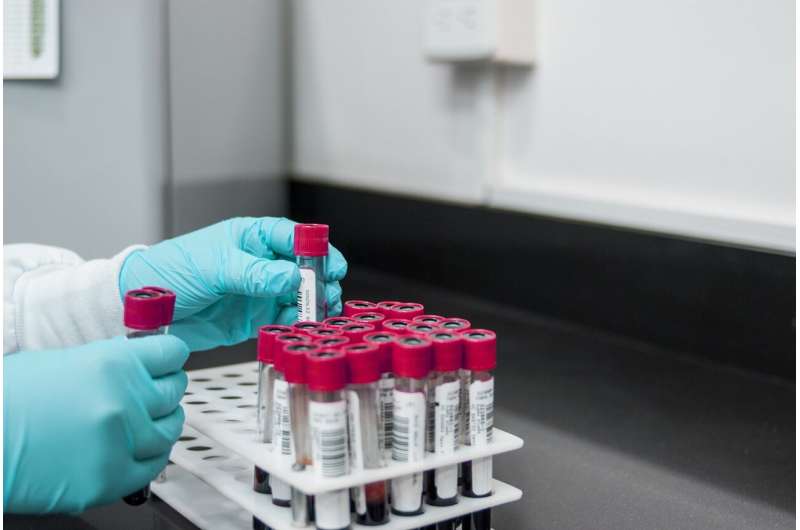
A new study reveals that the Basophil Activation Test (BAT) outperforms traditional allergy tests in accurately diagnosing cow's milk allergy in children, potentially reducing the need for invasive food challenges.
Recent research from King's College London in collaboration with Guy's and St Thomas' NHS Foundation Trust has demonstrated that the Basophil Activation Test (BAT) offers superior accuracy over traditional allergy tests for diagnosing cow's milk allergy in children. This breakthrough could significantly alter current diagnostic approaches and lessen reliance on oral food challenges.
The study examined 150 children undergoing oral food challenges to confirm milk allergy. Researchers compared the effectiveness of BAT with conventional tests such as skin prick and specific IgE measurements. Results revealed that BAT more precisely identified children reacting to milk, especially in those under two years old, reducing the need for invasive and time-consuming food challenges.
BAT assesses how basophils, a type of white blood cell, respond when exposed to milk proteins in a blood sample. Unlike traditional testing methods, this assay provides a more accurate reflection of clinical allergy, potentially offering a safer alternative to oral food challenges. The findings, published in the journal Allergy, indicate that BAT could facilitate earlier and more reliable diagnosis, aiding in appropriate management and dietary planning.
The study also highlighted that BAT could be particularly valuable in guiding safe reintroduction of milk, including baked milk, into children’s diets. Incorporating baked milk has been shown to promote tolerance development and reduce long-term dietary restrictions. By improving diagnostic accuracy, BAT can help cut down on the number of oral food challenges required, saving healthcare resources and minimizing discomfort for patients.
Overall, the adoption of BAT in clinical practice could revolutionize the diagnosis and management of cow's milk allergy, reducing diagnostic errors and associated risks, while streamlining the process for families and healthcare providers.
Source: https://medicalxpress.com/news/2025-08-basophil-outperforms-current-allergy-young.html
Stay Updated with Mia's Feed
Get the latest health & wellness insights delivered straight to your inbox.
Related Articles

Obesity Care: Moving Beyond the 'Eat Less, Move More' Myth
Rethink obesity management by understanding its complex causes and moving beyond outdated advice. Learn why systemic, stigma-free approaches are crucial for effective care and healthier communities.

Research Reveals Individual Differences in Detecting Background Sounds
A large-scale international study confirms that the ability to detect background sounds varies among individuals and is influenced by prior noise exposure, offering new insights into auditory perception and potential clinical applications.

Chikungunya Outbreak in China: Key Information and Public Health Response
An overview of the recent chikungunya outbreak in southern China, public health efforts, and what travelers need to know about this mosquito-borne disease in 2025.

Genetic Research Identifies Subtypes of Common Blood Cancer
Research from Karolinska Institutet uncovers that follicular lymphoma comprises three distinct genetic subtypes, leading to improved diagnosis and personalized treatment options for blood cancer patients.