1985 Illinois Milk Contamination Causes Largest Salmonella Outbreak in U.S. History
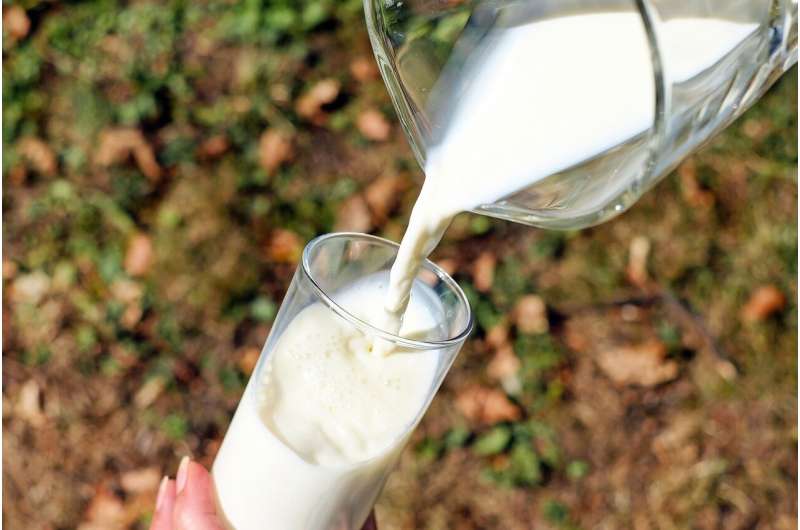
In 1985, a significant food safety crisis unfolded in Illinois when milk produced at Hillfarm Dairy in Melrose Park became contaminated with Salmonella, leading to one of the largest outbreak of foodborne illness in the United States. This incident resulted in hundreds of thousands of infections across the nation and at least 12 fatalities, marking it as the most severe Salmonella food poisoning outbreak in American history.
The outbreak raised numerous concerns about how contamination could occur in a modern dairy processing environment. Investigations revealed that a malfunctioning valve at the processing plant might have allowed pasteurized milk to mix with raw milk, which can harbor harmful microorganisms such as Salmonella. Laboratory testing of milk samples linked the contaminated lots, with expiration dates up to April 17, 1985, to the outbreak.
Overall, more than 16,100 suspected cases were reported across Illinois and five other Midwest states—Indiana, Iowa, Michigan, Minnesota, and Wisconsin—highlighting the extensive reach of this food safety breach. The contamination was traced back to the screw-on caps of a mixing pipe at Hillfarm Dairy, where Salmonella may have proliferated.
Regulatory actions followed, as the Food and Drug Administration identified 13 violations during an inspection, and legal proceedings ensued against Jewel Companies Inc., which operated the dairy. The company faced lawsuits over water pollution violations and was scrutinized for improper handling of contaminated products.
The political fallout was swift. The Illinois governor at the time dismissed the Public Health Department's director, who was found to be on vacation in Mexico amidst the crisis, and appointed a new health leadership team with medical expertise. The legal case concluded with Jewel officials being cleared of reckless intent, although the outbreak contributed to ongoing debates about food safety oversight.
This tragic episode underscores the importance of vigilant disease surveillance, rigorous safety protocols in food production, and the critical role of public health leadership. Revisiting this episode offers lessons on preventing future outbreaks and ensuring consumer protections in the food industry.
Source: https://medicalxpress.com/news/2025-05-contaminated-illinois-sickened-thousands-salmonella.html
Stay Updated with Mia's Feed
Get the latest health & wellness insights delivered straight to your inbox.
Related Articles

Is Reboiling Water Safe? Understanding the Facts Behind Kettle Practices
Debunking myths about re-boiling water in kettles, this article explains that boiling tap water multiple times is safe as long as the water quality is within health guidelines. Learn what actually happens during boiling and its effects on water safety and taste.

The Impact of Childhood Maltreatment on Biological Aging and Social Development
Recent research reveals how childhood maltreatment accelerates biological aging and hampers social development, highlighting the importance of early detection and intervention for vulnerable children.
Impact of Immigration Policies and Medicaid Cuts on Healthcare Employment Growth in 2025
Healthcare employment in 2025 remains strong but faces challenges from immigration restrictions and Medicaid cuts, threatening future growth and access.

New Role Discovered for Antibody-Producing Cells in Flu Infection Response
A groundbreaking study uncovers a new role for antibody-producing B cells in enhancing immune responses to influenza by producing key signaling molecules that support long-term immunity, opening new possibilities for vaccines and therapies.