Measles Outbreak Expands Across 34 States, Focus Shifts to North Dakota
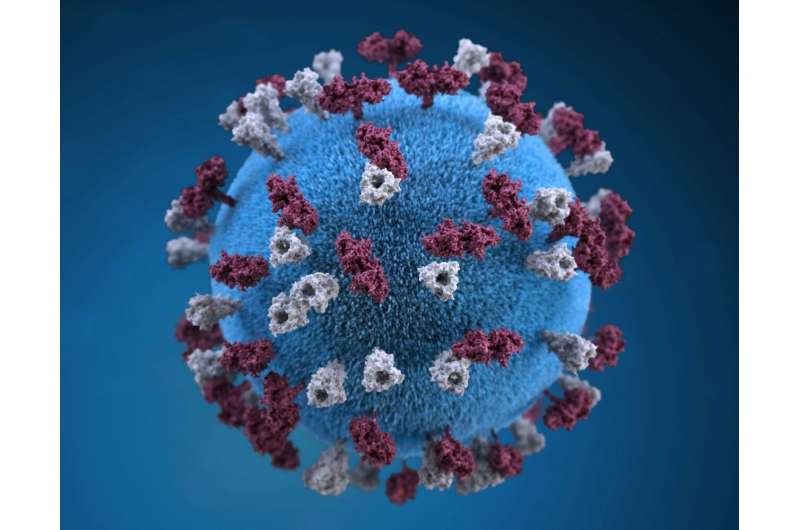
Measles cases are spreading across 34 states in the US, with North Dakota now experiencing the highest infection rate. Public health efforts focus on increasing vaccination and combating misinformation to curb the outbreak.
As measles continues its rapid spread across the United States, cases have now been reported in 34 states, with North Dakota emerging as the new hotspot, exhibiting the highest infection rate among all states. Recent developments suggest that while some regions, like West Texas, are experiencing a decline in new cases—potentially due to increased vaccination efforts and heightened public awareness—others face ongoing challenges. In West Texas, particularly around Lubbock, public health officials report no new cases in over 20 days, attributing the positive trend to vaccination campaigns and community compliance.
Conversely, North Dakota's recent outbreak, first identified on May 2, marks the state’s first case since 2011. The state now has the highest number of cases nationally, with 34 infections. This rise is linked to low vaccination rates, which have declined from approximately 95% a few years ago to about 90% among kindergartners for the 2024-25 school year. Officials emphasize that achieving herd immunity requires a vaccination coverage of at least 95%.
The outbreak in North Dakota reflects broader issues of vaccine hesitancy fueled by misinformation and exemptions based on personal beliefs, which impede immunization efforts. The state's small population size can make the case numbers appear misleading, but public health officials stress that local resistance and exemptions significantly hinder efforts to contain measles.
Nationally, the situation remains concerning. The CDC reports over 1,168 cases across 33 states as of June 6, with Texas and Arizona experiencing ongoing outbreaks. The number of cluster outbreaks—defined as three or more related cases—has risen to 17 this year, nearing the total of 16 from the previous year. Despite these numbers, health experts remain cautiously optimistic that trends are improving in some regions, especially where vaccination campaigns are successfully reaching hesitant populations.
The resurgence of measles underscores the importance of maintaining high vaccination coverage, combating misinformation, and adhering to public health guidelines. Experts warn that failure to do so could result in further outbreaks and preventable deaths, which have already reached three this year. Continued efforts are essential to control the spread and protect vulnerable communities across the country.
Stay Updated with Mia's Feed
Get the latest health & wellness insights delivered straight to your inbox.
Related Articles

Significant Number of Pregnant Women in the US Do Not Have Sufficient Vitamin D for Healthy Pregnancy Development
A new study reveals that about one-third of pregnant women in the US lack sufficient vitamin D levels, which are crucial for healthy fetal brain development and childhood cognitive functions. Increased awareness and supplementation could help close the racial gap and support long-term child health.

Innovative Eye Drops Offer Alternative to Reading Glasses for Presbyopia Patients
New research highlights the potential of specialized eye drops as a convenient, non-invasive alternative to reading glasses for presbyopia patients, offering sustained vision improvement up to two years.

Innovative AI-Based Rapid Testing for Viral Infections
A new AI-driven nanopore test enables quick and accurate detection of live viruses within minutes, promising to enhance viral infection diagnosis and treatment.

Unveiling Patterns in Health Service Usage and Child Mortality Through Data Science
A groundbreaking study using data science uncovers how socioeconomic factors influence health service use and child mortality in sub-Saharan Africa, highlighting key strategies to improve outcomes.