Rise in Measles Cases in California Surpasses Entire 2024 Total
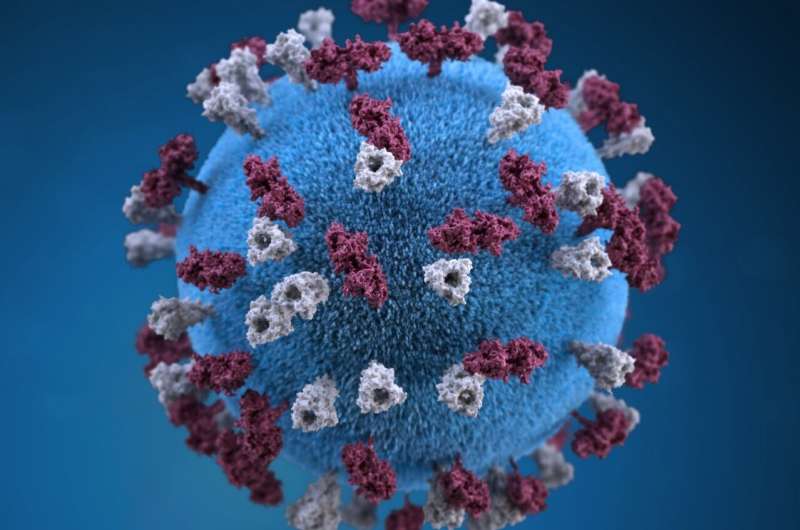
California reports over 16 measles cases in 2025, surpassing the total for all of 2024, amid ongoing outbreaks and declining vaccination rates. Learn more about this concerning resurgence.
In 2025, California is experiencing a significant increase in measles cases, with reports exceeding the total cases documented in all of 2024. So far this year, the state has identified 16 cases of measles, marking a notable rise compared to 15 cases in 2024 and just four in 2023. The resurgence of this highly contagious disease comes despite California's relatively high vaccination rate, with approximately 96.5% of kindergartners vaccinated as of 2022-23.
This year’s cases are primarily linked to international travel and outbreaks in other states, notably Texas. The ongoing outbreak in Texas has resulted in around 750 cases and 97 hospitalizations, highlighting the persistent threat posed by measles. Across the nation, over 1,200 cases have been reported, including three deaths—the first fatalities linked to measles in over a decade. These fatalities involved unvaccinated individuals and emphasize the severity of the disease.
In California, cases have been identified in multiple counties, such as Fresno, Los Angeles, Orange, Placer, Riverside, Sacramento, San Mateo, Santa Clara, Tuolumne, and Yolo. Notably, the Santa Clara case in late May was traced back to international travel. There has been no evidence of sustained community transmission in California to date.
Health officials underline that unvaccinated individuals and those too young to be vaccinated remain highly vulnerable. Measles is known as one of the most infectious diseases, with a high transmission rate. The CDC indicates that maintaining a vaccination coverage of at least 95% is crucial to preventing outbreaks.
Dr. Erica Pan, director of the California Department of Public Health, expressed concern over the resurgence, emphasizing that neglecting scientific guidance and vaccination efforts could reverse decades of progress. Public health advocates continue to urge residents to stay current with their immunizations.
Despite challenges posed by misinformation and political changes—such as recent replacements on the CDC’s Advisory Committee on Immunization Practices—most parents and health providers remain committed to vaccination. Experts reiterate that vaccines are essential in protecting both individuals and communities from preventable diseases like measles.
The current trend serves as a stark reminder of the importance of vaccination and vigilant public health measures to control the spread of measles and safeguard the population, especially in a context of increasing global travel and vaccine hesitancy.
Stay Updated with Mia's Feed
Get the latest health & wellness insights delivered straight to your inbox.
Related Articles

Research Confirms Safety and Effectiveness of Laser Vision Correction in Teenagers
A large-scale study confirms that laser correction for short-sightedness is safe and effective in older teenagers, offering a permanent alternative to glasses or contact lenses.

Understanding Why Weight Alone Doesn't Determine Your Overall Health
Weight alone does not accurately reflect overall health. Key indicators like diet, exercise, fat distribution, and metabolic health provide a clearer picture of well-being beyond the scales.

China Commits $500 Million to WHO Amid US Support Withdrawal
China commits $500 million to WHO over five years, stepping up to lead in global health support following the US's withdrawal from the organization, emphasizing international solidarity and health security.

States Reduce Medicaid Payments Long Before Federal Cuts Take Effect
Many U.S. states are cutting Medicaid provider payments ahead of federal funding reductions, risking healthcare access for vulnerable populations amid budget challenges.