Uncovering the Hidden History of Fundraising for Hospital Imaging Technology
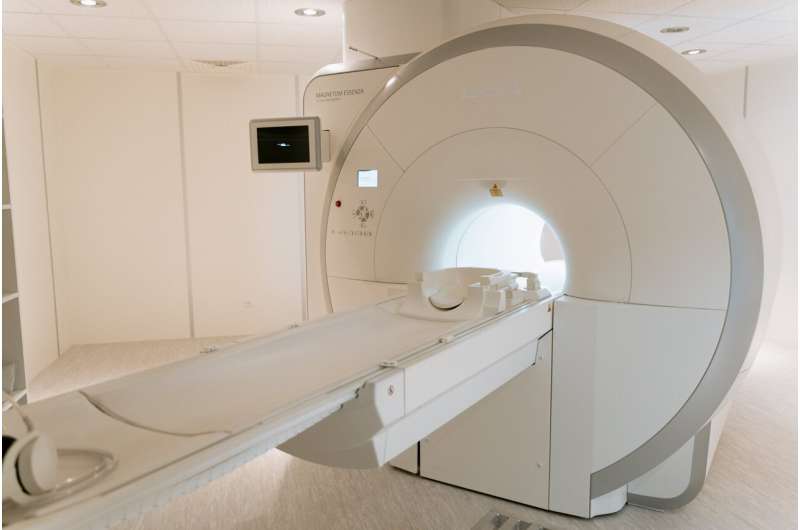
A groundbreaking report uncovers the vital role of fundraising in bringing advanced medical imaging technology to UK hospitals, highlighting decades of community efforts that have shaped modern healthcare.
A recent research report titled "Equipping the Future: The Role of Fundraising in Historic Hospital Scanner Appeals" sheds light on the vital role that charitable fundraising has played in the development and deployment of life-saving medical imaging technology. Published by the University of Kent and authored by charity consultant Jayne Lacny in collaboration with Professor Beth Breeze, the report explores how hospitals across the UK relied heavily on donations to acquire early MRI and CT scanners during the 1970s and beyond.
The use of advanced imaging scanners, such as MRI and CT, has become integral to diagnosing and treating a variety of conditions including cancer, blood clots, diabetes, strokes, and internal injuries. In 2023 alone, the UK hospitals performed approximately 7.1 million CT scans and 4.1 million MRI scans, illustrating how commonplace these technologies have become.
Initially, the high costs of scanners meant NHS hospitals turned to fundraising efforts to make these devices accessible to patients. The report's analysis is partly based on newly deposited papers from Craigmyle Fundraising Consultants, housed in the UK Philanthropy Archive at the University of Kent, providing a comprehensive view of fundraising strategies over the past six decades.
Professor Breeze emphasized the importance of preserving this history, stating that understanding the evolution of fundraising efforts amplifies our appreciation of the social history and the community-driven efforts behind medical advancements.
Jayne Lacny highlighted that many hospital scans today are, at least partly, funded through voluntary donations. Furthermore, the Craigmyle papers encompass 60 years of materials on fundraising campaigns across various sectors, offering valuable lessons for contemporary fundraising approaches.
Current Craigmyle Director Siân Newton expressed pride in the historical work encapsulated in the collection, recognizing the leadership of Craigmyle in UK fundraising history. This research underscores how philanthropic endeavors have significantly contributed to healthcare improvements, shaping patient care standards we benefit from today.
Stay Updated with Mia's Feed
Get the latest health & wellness insights delivered straight to your inbox.
Related Articles

Research Highlights Gap in Prostate Cancer Screening for Black Men by Primary Care Doctors
This study reveals that primary care doctors often overlook the critical need for prostate cancer screening in Black men, leading to delayed diagnosis and higher mortality rates. Advocates call for targeted early screening discussions to save lives.

Potential Link Between Gut Bacteria Groups and Insomnia Risk Identified in New Study
New research uncovers a potential causal relationship between specific groups of gut bacteria and the risk of developing insomnia, highlighting potential microbiome-based treatment options.

Fall Vaccination Guidance: Protect Yourself Against Flu and COVID-19
Stay protected this fall with important guidance on flu and COVID-19 vaccinations. Learn why vaccines are safe, effective, and essential for preventing severe illness and outbreaks during the upcoming season.
